

Image Credit: REPUBLIK.GG
REPUBLIK.GG has now been absorbed into CoinInsider.com, where its website history, product pages, ecosystem details and public information are being kept as part of a permanent archive. This page records what REPUBLIK.GG was, how it described its Social-Fi model, and how its creator tools, RPK token system, AI features and STOX Market fit together.
REPUBLIK.GG was not a crypto news site or a market research publication. It was a Web3 social platform built around creators, fans, rewards and token-based participation. Its website described it as the world’s first AI-powered Social-Fi platform, with “turbocharged earnings for creators and fans” at the center of the product.
CoinInsider’s archive keeps that history in one place. The REPUBLIK.GG ecosystem included creator monetization, RPK rewards, staking, XP, community activity and the STOX Market. Creators could use subscriptions, tips and paid chats. Users could earn XP and Daily RPK Community Rewards. Traders could use RPK to buy and sell Creator STOX, which represented creator-linked social value.
AI was also part of the platform’s design. REPUBLIK.GG used AI for discovery, content analysis, reward allocation, user verification and moderation. It helped assess engagement, recommend content, detect inauthentic activity and support community-led content standards.
This archive does not present REPUBLIK.GG as a current product pitch. It records the history of a project that tried to connect social media, creator earnings, Web3 rewards, token utility, AI systems and creator-linked trading.
REPUBLIK.GG Was Built Around Social-Fi
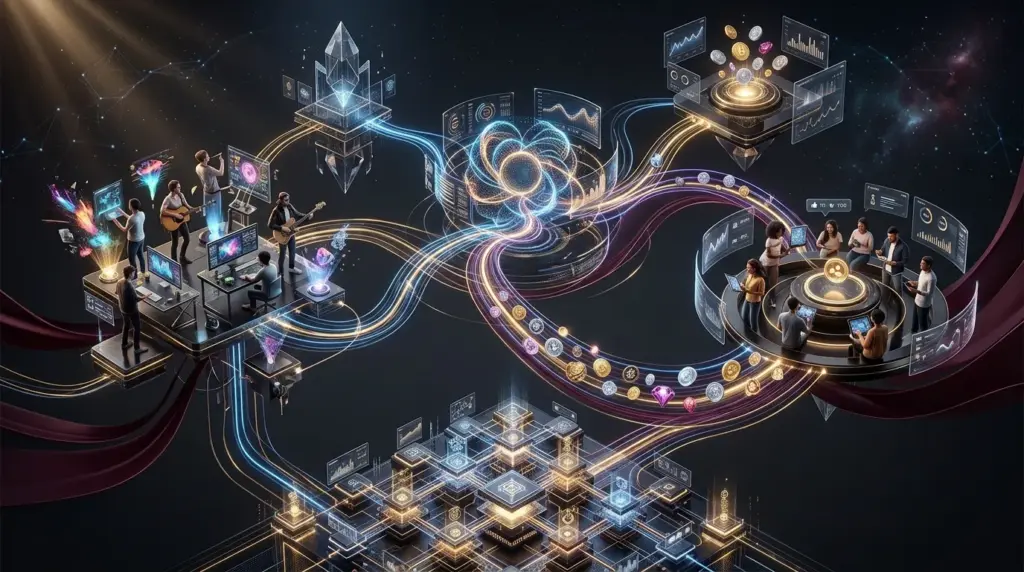
Social-Fi, or Social Finance, combines social media activity with Web3 value systems. REPUBLIK.GG used that idea to build a platform where creators, fans and users could be rewarded for meaningful participation, not only for passive attention.
Traditional social platforms often make money from user attention through advertising, brand deals and platform-controlled algorithms. Creators may earn from that system, but the path is usually indirect. Smaller creators can struggle to make real income, while fans and regular users help platforms grow without receiving much value in return.
REPUBLIK.GG presented a different structure. Creators could earn through subscriptions, paid chats and tips. Fans could support creators and take part in the platform economy. Users could build XP through activity and receive RPK rewards based on their contribution.
That was the main difference between REPUBLIK.GG and a standard social network. It was not only a place to post content. It was built as a creator economy system where interaction, support, token use and rewards were connected.
The platform used the tagline “Turn your content into cash” to explain its creator focus. In the archive, that line is useful because it shows how REPUBLIK.GG wanted to connect creator income with community participation.
Its Social-Fi model had several layers. The social layer allowed creators and users to post, interact and build communities. The monetization layer allowed creators to earn directly from fans. The token layer uses RPK for platform activity and rewards. The staking layer gave users extra reward options and participation benefits. The STOX layer connected creator influence with trading through the STOX Market.
Together, those parts show how REPUBLIK.GG tried to move social media beyond views, likes and ads. The platform’s model was built around the idea that creators, fans and active users should all have a role in the value created by an online community.
The Early Timeline Started With Community Building
REPUBLIK.GG’s early updates show that the project began with community activity and basic app infrastructure before it became the wider Social-Fi ecosystem recorded in this archive.
The 2022 updates described a founding community, creator events, competition features and early app development. By January 2023, RepubliK said the team had started 2022 with four people and grown to 35. The project held its first creator event in May 2022, hosted 50 events by the end of the year, launched its alpha app in November, and reached 70,000 users within two months of launch.
Those early updates focused first on social participation. Competitions, challenges and voting helped bring users into the platform before token features and trading tools became a bigger part of the ecosystem.
The January 2023 update also described REPUBLIK.GG as a bridge between Web2 and Web3. That idea stayed central as the platform developed. REPUBLIK.GG did not ask users to begin with a complex financial product. It started with familiar social actions: creating content, supporting creators, inviting people, engaging with posts and building an audience.
That made the Web3 layer easier to understand. Instead of treating blockchain as a separate product, REPUBLIK.GG connected it to social behavior that users already knew. Wallets, XP, rewards, creator tools and token activity were added around that base.
Over time, the project moved from early community features into a fuller model. AI tools, creator monetization, XP and RPK rewards all became part of a system that tried to give measurable value to user activity.
REPUBLIK.GG Shifted From Attention to Interaction
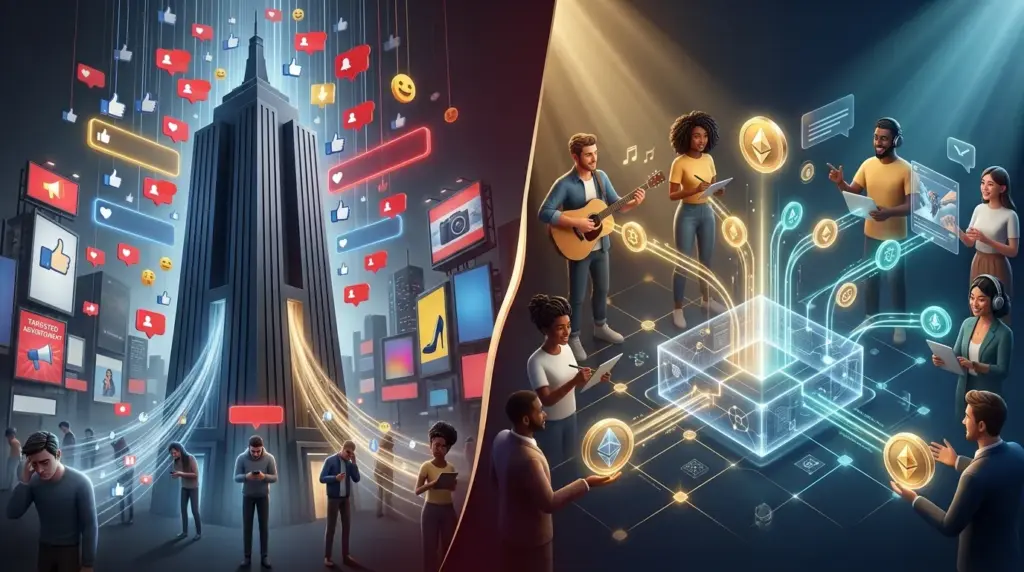
One of REPUBLIK.GG’s main ideas was the shift from the attention economy to what it called the interaction economy.
The attention economy shaped most Web2 social media. Platforms compete for user time, collect engagement and make money through advertising or platform-controlled algorithms. Creators can benefit from that model, but the results are uneven. Users also help create value through attention and activity, yet they usually do not receive direct rewards from the system.
REPUBLIK.GG tried to build around interaction instead. Its Social-Fi model focused on creator support, fan participation and reward distribution. Engagement was not only a number for the platform to measure. It became part of how value was assigned.
XP was central to this system. XP represented contribution. Users earned XP through activity such as interacting with content, creating posts, inviting friends and staying active. Daily RPK Community Rewards were then distributed based on the XP a user earned compared with total XP across the platform.
This gave REPUBLIK.GG a more game-like social structure. Users were not only scrolling, liking or following. They were building a contribution score that could lead to platform rewards. Creators were not only chasing views. They were building communities that could support them, pay for access, tip, chat and take part in creator-linked STOX markets.
The interaction economy also explains why REPUBLIK.GG placed so much emphasis on quality. Its whitepaper said AI and machine learning were used to identify genuine, engaged users and evaluate the depth of interactions, rather than relying only on surface-level metrics such as likes or comments.
That point is important to the archive because it shows how REPUBLIK.GG wanted its reward system to work. The platform was not only counting activity. It was trying to reward useful, real and meaningful participation.
Creators Sit at the Center of REPUBLIK.GG’s Product Model
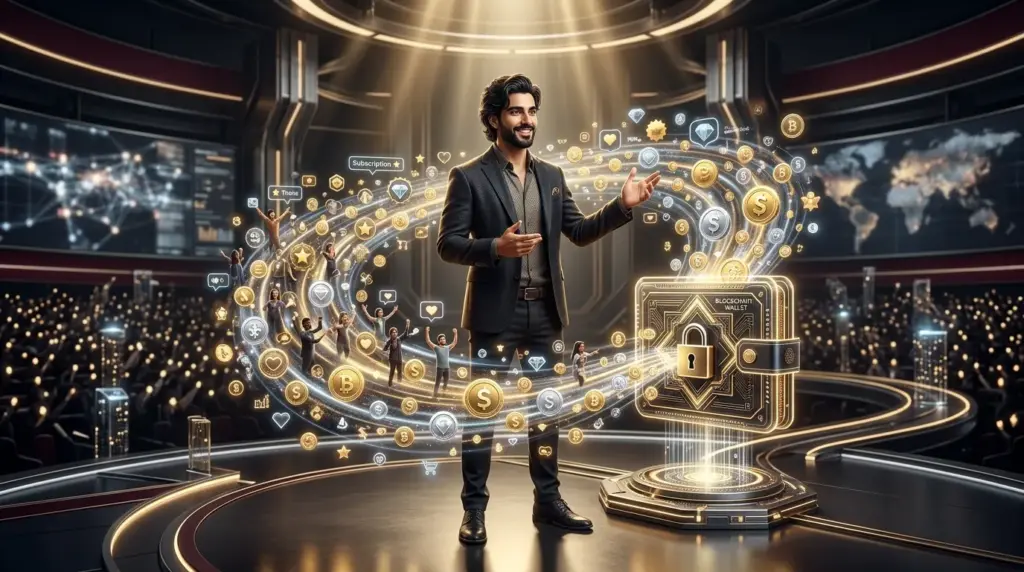
REPUBLIK.GG’s product model was built around creators. Creators could generate income through subscriptions, paid chats and tips, then withdraw earnings to their wallet.
Tipping
Fans could send RPK directly to creators as a way to show appreciation for content. This gave creators a direct support channel that did not depend on advertising or sponsorships. For smaller creators, that mattered because traditional social monetization often rewards scale more than loyalty.
Pay2Chat
Pay2Chat allowed creators to charge for private or exclusive chat interactions. It gave creators a way to earn from direct messages while building closer relationships with fans. Paid access also helped attract supporters who were more committed to the creator.
Subscriptions
REPUBLIK.GG allowed creators to offer exclusive content to paying subscribers. This created recurring earnings and gave fans access to premium posts, private updates or other creator-led content. It also gave creators a way to build a smaller but more committed audience instead of relying only on viral reach.
Together, these tools explain the creator logic behind REPUBLIK.GG. The platform did not treat creators only as content suppliers for an ad-based feed. It presented them as participants in a direct value exchange with fans.
That value exchange was tied to RPK, the Republik Token. RPK was used inside the platform for access, support and rewards. Fans could spend RPK on creator features, creators could receive RPK from fans, and users could earn RPK through community rewards.
The result was a creator economy model that went beyond posting content. Creators could earn from audience support, private engagement, subscriptions, community participation and STOX-related trading activity.
Fans and Users Also Have a Reward Role
REPUBLIK.GG was built for both creators and users. Users could earn rewards by supporting creators, staying active, inviting friends, creating content and interacting with the community. These actions generated XP, while staking and Daily Community Rewards gave users more ways to participate.
This was a key part of the platform’s Social-Fi design. Creators relied on fans, but fans also created value by discovering content, engaging with posts, sharing profiles and helping communities grow.
On many traditional social platforms, most of the value flows to the platform and a smaller group of successful creators. REPUBLIK.GG tried to give regular users a bigger role in the economy. The more users contributed, the more XP they could earn. That XP helped determine their share of Daily RPK Community Rewards.
AI supported this system by reviewing content quality and user interactions before XP was allocated. The purpose was to reward meaningful engagement rather than simple activity.
This is one reason REPUBLIK.GG remains useful as an archived case study. It shows how Social-Fi projects tried to rethink the role of the ordinary user in a social network. Fans were not only viewers or followers. They were part of the system that helped create and distribute value.
RPK is the Platform’s Utility and Reward Token
RPK was the native utility token of REPUBLIK.GG and was used across the platform’s Social-Fi ecosystem.
RPK was used to increase earning opportunities on the STOX Market and across the AI-powered Social-Fi ecosystem. It was available on Arbitrum and Ethereum. Arbitrum was used for the STOX Market dApp because it allowed faster and lower-cost transactions.
RPK had several roles inside the platform. It could be used to access exclusive content, pay for chats and invest in content creators. Users could also hold and stake RPK to earn additional rewards and support the community.
It was a spending token because fans used it for tips, paid chats and exclusive content. It was a reward token because users received RPK through Daily Community Rewards based on XP. It was also a staking token because users could stake RPK to boost rewards and gain extra benefits. On the STOX Market, it was the trading asset used to buy and sell Creator STOX.
This shows that RPK was meant to be used inside the platform, not only held or traded elsewhere. REPUBLIK.GG tied the token to creator support, user rewards, staking, access and creator-linked markets.
The RPK token had a total supply of 3 billion. The allocation included the platform, marketing, operations, private sale, public sale and team. Platform tokens were distributed through staking incentives and community rewards or burned, while platform fees were used to refill the platform allocation.
The token-burning mechanism was also part of the design. Creator STOX issuance sent a fixed amount of RPK to a burn wallet, and the platform burned a portion of fees generated from transactions. This connected platform activity, token supply and ecosystem mechanics.
Staking Connects RPK to Rewards and Governance
Staking was another major feature in REPUBLIK.GG’s ecosystem.
Users could stake RPK to earn higher rewards. The platform listed staking levels that included community rewards, governance and up to 35% staking APY, or Annual Percentage Yield. Higher staking tiers offered higher XP multipliers and benefits such as beta feature access.
The idea was simple. Users who staked RPK could increase their reward potential and receive extra platform benefits. Staking also provided monthly rewards and gave users a deeper role in the ecosystem.
The Ecosystem page listed staking under “Earn & Spend.” It included staking RPK for multipliers and extra rewards in the RepubliK app, earning APY, providing liquidity and reducing trading fees on ZARK X.
This made staking part of the broader participation model. It was not separate from the social app. It was one of the ways RPK holders could connect token ownership with platform rewards, governance-related activity and deeper ecosystem participation.
Creator STOX Adds a Trading Layer to Social Value
Creator STOX was one of REPUBLIK.GG’s most unusual features.
Creator STOX were tokenized representations of a creator’s social value. Creators issued their STOX through the RepubliK app. Supporters and traders could then buy and sell those STOX with RPK on Arbitrum through the STOX Market.
This feature pushed REPUBLIK.GG beyond standard creator monetization. Tips, paid chats and subscriptions were direct support tools. STOX added a market layer where fans and traders could take part in the perceived value of a creator’s influence.
The STOX Market allowed users to trade tokenized social value and earn RPK. Traders could jump in early, follow trading signals, look for price boosts and connect a wallet without needing a user account. Creators could mint their own STOX, burn 1,000 RPK as a minting fee and receive trading fees from every buy and sell of their STOX directly into their RepubliK wallet.
Creator STOX turned passive followers into more active participants in a creator’s success. A portion of value generated by creator monetization features could be moved into a shared RPK pool for STOX holders. Every transaction involving STOX also generated an RPK fee shared between the platform and the creator.
This was an important part of REPUBLIK.GG because it connected creator income with trading behavior. A creator’s social influence became something users could support, hold, trade and possibly benefit from. Creators could also receive another value stream through trading fees.
The STOX model also added a more speculative layer to the platform. Tipping a creator was a direct support payment. Buying Creator STOX was different because it involved a market. That made STOX one of the clearest examples of how REPUBLIK.GG blended social activity with Web3 finance.
AI Powers Discovery, Rewards and Moderation

AI supported content discovery, analysis, reward distribution, moderation and user verification across REPUBLIK.GG.
The platform’s AI-powered Discovery Engine helped users find creators based on interaction patterns. The rewards system distributed Daily RPK Community Rewards based on content quality and engagement. AI was also used for decentralized content moderation to support a safer environment.
REPUBLIK.GG partnered with Amazon Web Services to deploy AI tools that assessed content quality, engagement and creator rewards. It also described an AI-based authentication system that performed liveness checks to verify real users and block bots. Verification activated the in-app wallet and made users eligible for rewards.
Amazon Rekognition and Amazon Personalize were used to help assess images and videos, identify content dynamics and build personalized content journeys. The focus was not only recommendation. AI also helped judge the quality and depth of user interactions.
This AI layer connected several parts of the platform. It helped users discover creators, helped the reward system measure activity, helped moderation teams manage content and helped protect the platform from fake accounts. For a Social-Fi system that distributed token rewards, that kind of verification was important.
Community Moderation is Part of the Governance Model
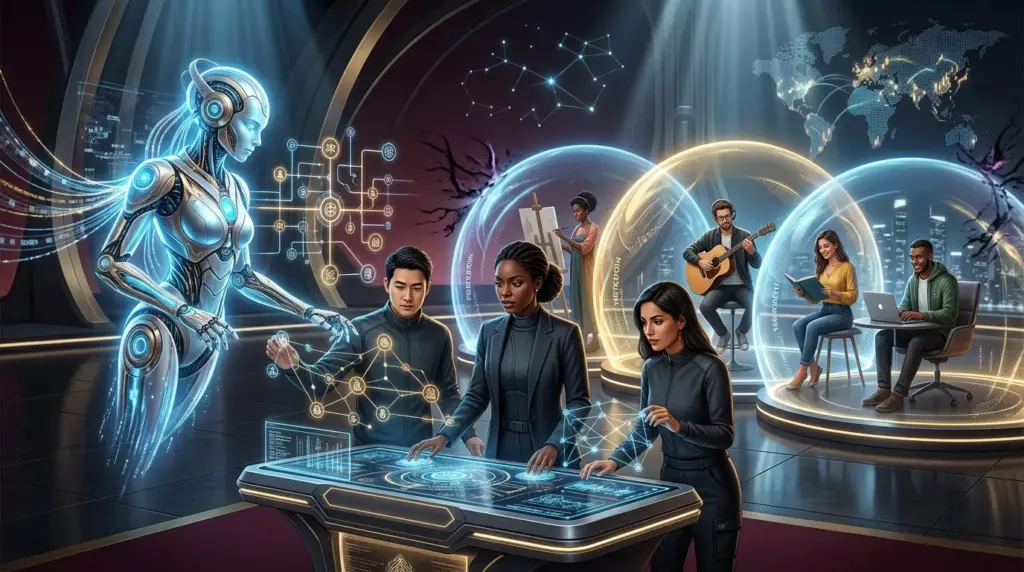
Content moderation was another major part of REPUBLIK.GG’s AI and community model.
The community set free speech and content guidelines, with AI helping enforce those rules. Moderation was designed to reflect community decisions rather than only centralized control or outside agendas.
REPUBLIK.GG also referred to Moderators and Ambassadors. Official team members, partners and ambassadors were identified through badges. Moderators who contributed positively could receive a white prestige badge.
This moderation structure was tied to authenticity. REPUBLIK.GG’s reward model depended on meaningful participation, so bot activity and low-quality engagement were not only content problems. They could also affect reward fairness.
REPUBLIK.GG limited actions like DMs and likes to reduce bot activity. XP rewards focused on meaningful interactions and contributions rather than simple metrics like likes and follows.
That made moderation especially important. In a normal social network, spam can hurt the user experience. In a reward-based Social-Fi platform, spam can also distort the economy. REPUBLIK.GG’s model needed moderation, identity checks and AI support because rewards were tied to participation.
The Platform Uses Web3 Transparency as a Trust Layer
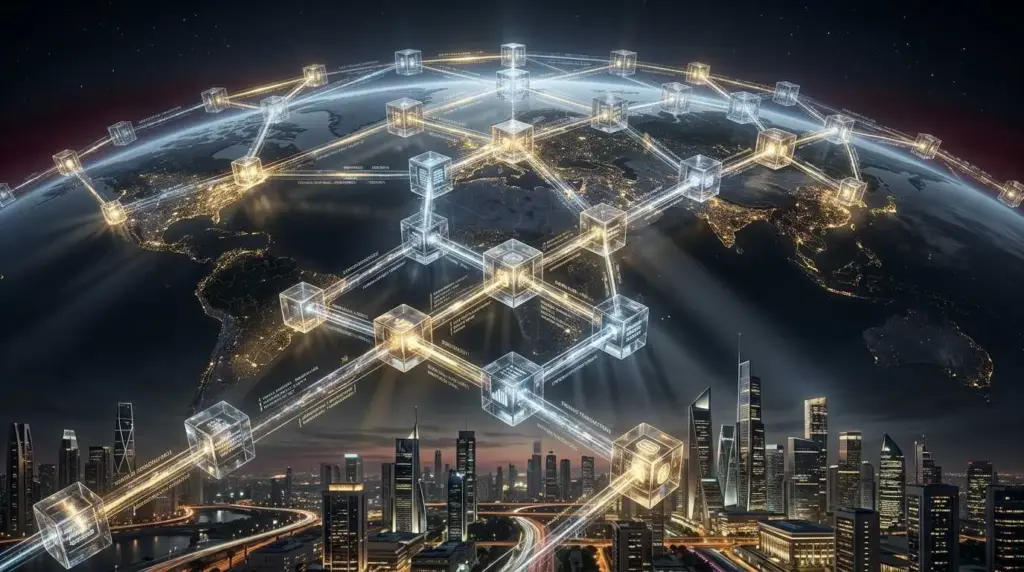
REPUBLIK.GG used on-chain transparency to record and verify transactions and interactions as part of its Web3 design.
Transparency mattered because users were taking part in social value markets. Fans could support creators with RPK. Users could earn rewards based on XP. Traders could buy and sell Creator STOX. Creators could earn from content monetization and trading fees. A system like that needed trust.
REPUBLIK.GG presented Web3 transparency as a way to make transactions more visible and verifiable than traditional social media monetization systems. The platform connected this to Web2 problems such as limited transparency, algorithmic bias, monetization challenges and concerns about content authenticity.
That did not mean every part of REPUBLIK.GG was decentralized in the same way. The project still had an app, a website, community guidelines, AI systems and platform-managed features. But it used blockchain and smart contracts to support value exchange, token activity, wallet functions, STOX trading and on-chain records.
This was the practical role of Web3 in REPUBLIK.GG. It was not only a broad blockchain label. It was connected to how users supported creators, how creators received value, how STOX were traded and how platform activity could be tracked.
RPK data included distribution, supply, user activity and reserves across multiple chains. It covered max supply, burned tokens, circulating and locked tokens, treasury balances, staking amounts, transactions, and deposits and withdrawals.
The RPK Timeline Expanded With Buying and Multichain Access
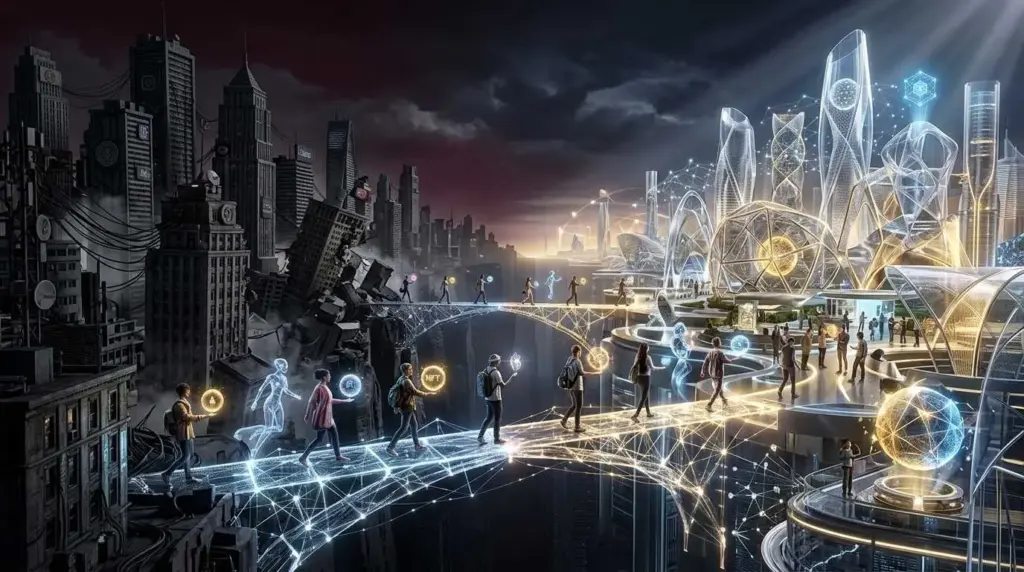
As REPUBLIK.GG developed, access to RPK became more important.
RPK was a multichain token available on Arbitrum and Ethereum. RPK on Arbitrum was used in the STOX Market dApp for fast and low-cost transactions. RPK on Ethereum was available through several centralized and decentralized exchanges.
The platform also added in-app RPK purchases through Banxa. The May 2024 update allowed users to buy RPK in the app with credit cards, removing the need to use centralized or decentralized exchanges. This made it easier for users, especially those unfamiliar with crypto, to support creators.
Social-Fi platforms had a clear user experience problem. If fans needed to understand wallets, exchanges, bridging and gas fees before supporting a creator, mainstream adoption became harder. In-app credit card purchases lowered that barrier.
The May 2024 update connected the Banxa integration directly to creator monetization. It said creators could monetize through RPK tipping, Pay2Chat and exclusive content, while fans could support them more easily. It also said users could buy RPK for support or exclusive content without needing deep knowledge of cryptocurrencies.
This update showed how REPUBLIK.GG tried to serve two groups at the same time. Web3 users could still use wallets, bridges and exchanges. Mainstream users could buy RPK more directly and use it for creator support inside the app.
The 2023 Seed Round Supported Web3 Creator Tools
REPUBLIK.GG’s October 2023 seed round was a major milestone in the platform’s public timeline.
The company announced a $6 million seed round at a $75 million valuation. The round included investors such as OKX Ventures, 6th Man Ventures, Arcane Ventures, CMS Holdings, Comma3 Ventures, Define Ventures, Enjin, FBG Capital, HTX Ventures, Mirana Ventures, Oracles Investment Group, Signum Capital, Sora Ventures and UOB Venture Management.
The capital supported the platform and its blockchain-based creator tools. At the time, REPUBLIK.GG was in beta on web, iOS and Android.
This funding came after the platform had spent 2022 building community traction and early app features. By late 2023, REPUBLIK.GG had moved from early community and alpha testing into a more formal platform buildout with investor backing.
The seed round also matched the platform’s wider direction. REPUBLIK.GG was described as building new ways for people to interact and as a platform designed to reward creators and users for their contributions.
In the archived timeline, the seed round sits between the early community-building phase and the later push into AI-powered Social-Fi. It marked the point where REPUBLIK.GG’s creator tools, token model and Web3 social ambitions gained broader financial support.
The AWS AI Launch Marked the Next Phase
In March 2024, REPUBLIK.GG announced the launch of its AI-powered Social-Fi platform powered by Amazon Web Services.
This was a major point in the platform’s history because it brought together several ideas already present in the project: AI, creator rewards, content quality, engagement, moderation and Web3 social participation.
REPUBLIK.GG launched on March 8, 2024, introducing an AI-powered Social-Fi system. AI was used to assess content quality, engagement and creator rewards.
This launch showed the next stage of REPUBLIK.GG’s public identity. The project had already been described as a Web2-to-Web3 bridge, a creator economy tool and a reward-based social platform. The AWS-powered AI launch brought those ideas under the AI-powered Social-Fi label.
The AI systems were tied to more than one feature. They supported discovery, moderation, verification, content quality and the distribution of creator and user rewards.
The STOX Market Turns Creator Influence Into a Tradable Category
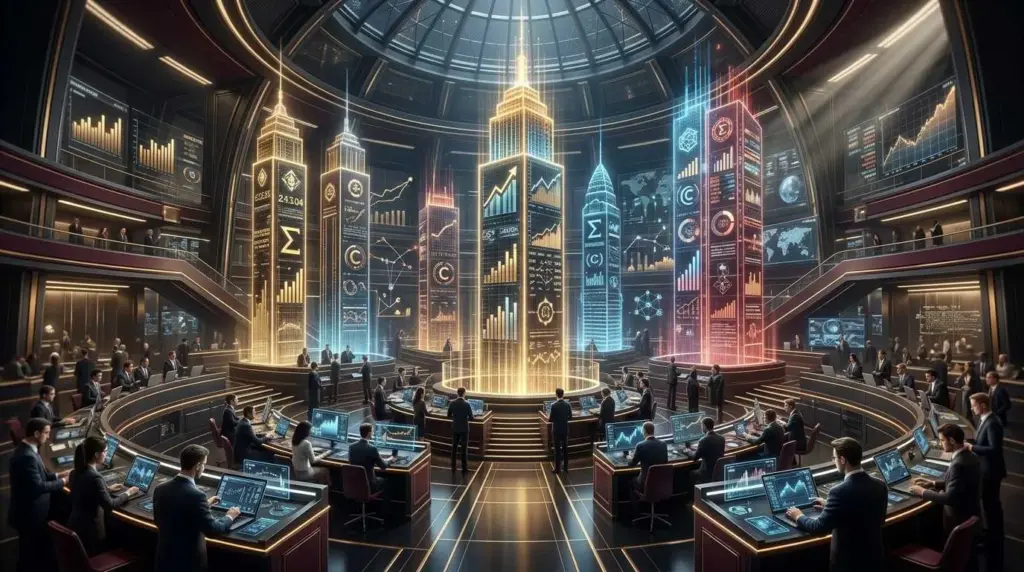
On the STOX Market, users could trade the tokenized social value of creators. A creator could mint STOX, and supporters or traders could buy and sell those STOX with RPK. Users could jump in early, follow trading signals, look for price boosts and connect a wallet to start trading.
This created a new category inside the platform: creator-linked social value.
Traditional creator monetization usually happens through advertising, brand deals, merchandise, subscriptions, donations or direct payments. STOX added another model. It allowed creator influence itself to become a tradable representation.
For fans, this could turn support into participation. A fan who believed in a creator early could buy STOX and take part in the creator’s growth story. For traders, STOX created a Social-Fi market where creator activity, audience growth and community engagement could influence value. For creators, STOX could create passive income through trading fees and a deeper relationship with supporters.
Creator STOX were tied to the creator’s social value. Creators could link external social accounts such as Twitter, TikTok or Instagram so potential STOX buyers could assess their broader influence. Creators could also bind Instagram or X to verify social value before launching STOX.
This mattered because many creators already had audiences outside REPUBLIK.GG. The platform did not require them to start from zero. Social account linking allowed creators to bring existing social identity into the REPUBLIK.GG ecosystem.
The STOX Market also created a riskier and more speculative layer than tips or subscriptions. A user who tipped a creator was making a direct support payment. A user who bought STOX was participating in a market.
In the CoinInsider archive, STOX stands out as one of REPUBLIK.GG’s clearest attempts to expand the creator economy beyond direct payments. It made creator influence something users could support, measure, trade and connect to RPK activity.
REPUBLIK.GG’s Audience is Broader Than Creators Alone
REPUBLIK.GG targeted several audience groups inside its ecosystem.
Creators: Post content, earn from subscriptions, tips, paid chats and community building, and may issue Creator STOX.
Fans: Discover creators, support them, access exclusive content, pay for private interactions and join communities.
General users: Earn XP, build reputation through activity, receive RPK rewards and participate in the platform.
Traders: Buy and sell creator-linked STOX in the STOX Market.
Web3 users and RPK holders: Stake RPK, use wallets, bridge assets and take part in governance-related activities.
REPUBLIK.GG was built for users who wanted to create, support, earn, trade and take part in a Web3 social economy. It was not mainly for people looking for news or research.
That distinction matters for the archive. REPUBLIK.GG was not a former publishing site. It was a Social-Fi platform with educational materials attached to its ecosystem.
The Academy page included resources about using REPUBLIK.GG features, including buying RPK, bridging RPK, depositing and withdrawing RPK, staking and using the app. These resources helped explain how users could move through the ecosystem, especially when dealing with token features that might be unfamiliar to a mainstream social audience.
Why REPUBLIK.GG Matters for the Creator Economy
REPUBLIK.GG tried to address a long-running imbalance in social media. Platforms often capture most of the value, while creators and users generate the content, attention and community activity that make those platforms useful.
In Web2, creators rely on algorithms and ads for reach and income. Fans contribute engagement, but they usually do not earn anything from that participation. REPUBLIK.GG’s Social-Fi model tried to change that structure.
Creators could earn through subscriptions, tips and paid chats. Fans could support them using RPK. Users could earn XP and rewards through activity. Creators could issue STOX linked to their social value, and those STOX could be traded in a market.
This combined social media, tokens, AI discovery, rewards, staking and trading into one system.
The model was built around more direct value exchange between creators and communities. Engagement and growth were meant to benefit both sides, not only the platform. At the same time, the model also brought challenges, including token volatility, speculative trading, bot control, simple onboarding and clear moderation.
REPUBLIK.GG matters as an archive because it records a specific moment in the creator economy. It shows how Web3 social platforms tried to combine creator monetization, user rewards, AI filtering and social trading into one product.
The Archives Show a Product Moving Toward a Fuller Ecosystem
The REPUBLIK.GG archive shows a steady shift from community building to a fuller Social-Fi model.
In 2022, the project focused on its early community, creator events, initial app features and an alpha launch built around competitions, challenges and voting.
In early 2023, it positioned itself as a bridge between Web2 and Web3, introducing ideas like wallets, XP, airdrops and creator tools, with social participation at the center of value creation.
By mid-2023, the focus shifted toward the interaction economy, decentralized monetization and blockchain-based social media that gave creators and users more control.
In October 2023, it raised $6 million at a $75 million valuation to expand Web3 creator tools and platform development.
In 2024, the project moved into AI-powered Social-Fi, adding AI systems for content analysis, discovery, rewards and moderation, while expanding RPK access, staking and STOX functionality.
In its later form, REPUBLIK.GG was presented as a multi-layer ecosystem covering the app, RPK, staking, STOX Market, Academy and analytics tools. It served creators, fans, users, traders and stakers.
That progression is the reason REPUBLIK.GG fits inside CoinInsider’s broader archive. The project was part of a wider Web3 history in which platforms tested new ways to connect communities, creators, rewards and digital assets.
The Road Ahead Depends on Execution
REPUBLIK.GG brought creator monetization, user rewards, fan participation, RPK, STOX and AI-powered features into one Social-Fi platform.
The idea reflected broader changes in online communities. Creators wanted more ways to earn directly from their audiences. Fans wanted closer access to creators. Web3 users wanted practical uses for digital assets. Social media users were also beginning to expect more value from their participation.
The project’s future depended on execution. The platform needed simple onboarding for new users while still offering enough functionality for Web3 participants. It also needed fair reward systems, clear creator markets, and trust in RPK, XP, staking, creator verification and community moderation.
AI supported content discovery, rewards, moderation and verification. Blockchain powered transactions, transparency and token ownership. Together, those features formed the foundation of the Social-Fi model now preserved in CoinInsider’s REPUBLIK.GG archive.
As CoinInsider absorbs REPUBLIK.GG, this archive keeps the project’s history available in one place. It documents the platform’s original purpose, its product layers, its Social-Fi ambitions and its place in the wider history of Web3 creator economy experiments. REPUBLIK.GG’s active story belonged to its creators, users and community. Its record now continues through CoinInsider’s archive.