

Image Credit: Shutterstock
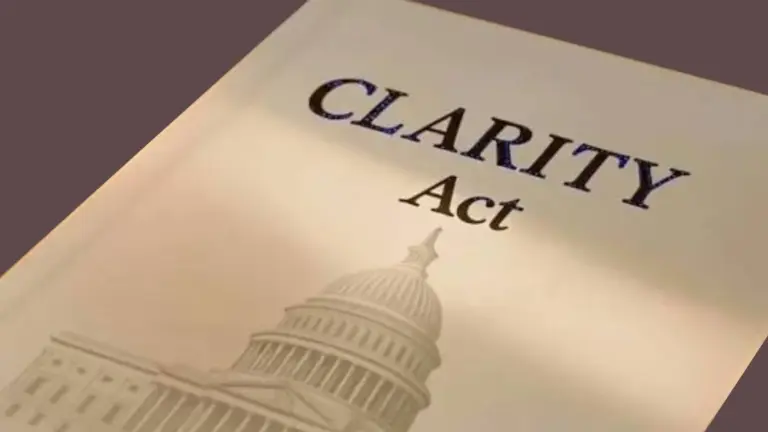
The Major County Sheriffs of America has dropped its opposition to the CLARITY Act, removing one law enforcement objection to the U.S. crypto market structure bill.
The group moved to a neutral position after talks over Section 604, a provision meant to protect non-custodial blockchain developers and infrastructure providers from money-transmission rules.
Section 604 Drove Law Enforcement Concern
MCSA sent its updated position to Senate Banking Committee Chair Tim Scott and Ranking Member Elizabeth Warren on July 3. The group said discussions with the administration and law enforcement officials gave it more clarity on how Section 604 would be interpreted and applied.
Section 604 is tied to the Blockchain Regulatory Certainty Act. It says developers and service providers that do not control customer funds should not be treated as money transmitters only because they write software, validate transactions or provide non-custodial infrastructure.
Law enforcement groups had warned that the language could make crypto crime investigations harder if criminals used decentralized tools to move funds.
MCSA Wants Treasury Role on DeFi Risks
The shift does not amount to an endorsement. MCSA said it still sees room to strengthen the bill while supporting innovation and the operational needs of state and local law enforcement.
The group wants state and local agencies included in future Treasury work on decentralized finance and illicit finance risks. That request points to Section 309, which directs Treasury to study DeFi and related crime risks.
MCSA also wants more attention on training, forensic tools and resources for agencies handling crypto-linked fraud, laundering and sanctions cases.
Supporters Say Section 604 Protects Developers
Supporters of Section 604 say the provision is meant to separate neutral software development from custody or money transmission. They argue that a developer who cannot move customer funds should not be regulated like an exchange, broker or payments company.
They also say the bill keeps criminal liability in place for anyone who knowingly moves illicit funds. That point has become central to the debate.
Crypto policy groups see Section 604 as protection for open-source and non-custodial systems, while law enforcement officials want to make sure the same language does not weaken investigations.
CLARITY Still Faces Senate Hurdles
The position change gives Senate supporters one less objection to manage as they seek floor time for the CLARITY Act. The bill would set federal rules for digital asset markets and divide oversight between the SEC and CFTC.
It remains tied up in fights over DeFi, stablecoin rewards, ethics rules and law enforcement access. MCSA’s neutral stance narrows one dispute. It does not clear the full path.
The next test is whether Senate negotiators can turn the law enforcement language into text that attracts enough votes for passage.