

Image credit: Shutterstock
New crypto ATM rules are now in effect in Tennessee and Georgia, adding state-level pressure on kiosk operators as officials target fraud linked to irreversible crypto transfers.
Tennessee has taken the tougher approach by banning virtual currency kiosks statewide. Georgia is allowing the machines to keep operating, but under new limits on fees, transaction size, disclosures and refunds.
Tennessee Makes Kiosk Operation a Crime
Tennessee’s law makes it an offense to knowingly install, allow, permit, place or operate a virtual currency kiosk in the state. A violation is a Class A misdemeanor. The law applies to acts occurring on or after July 1, meaning operators and property owners now face legal risk if the machines remain active.
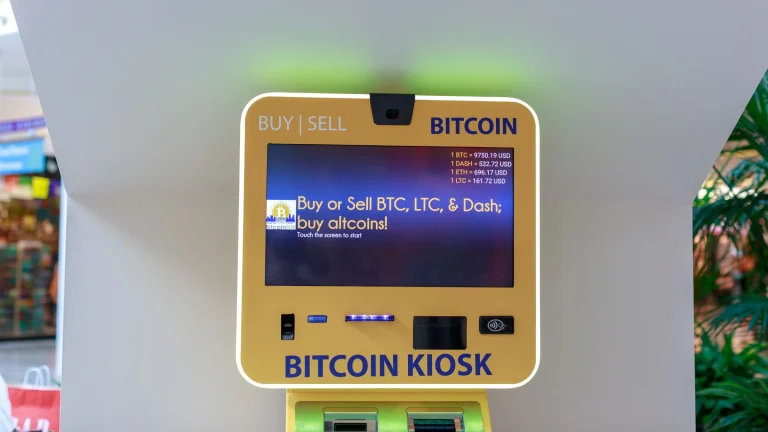
The statute defines a virtual currency kiosk as an electronic terminal used to exchange virtual currency for money, bank credit or other virtual currency.
That includes machines that connect to a separate exchange or use virtual currency held by the terminal operator. The ban does not stop residents from buying or trading crypto through other routes. It removes the kiosk channel that lawmakers and regulators say has been used in scams targeting older and less experienced users.
Georgia Caps Crypto Kiosk Fees at 18%
Georgia chose regulation instead of a ban. Under HB945, crypto kiosk operators must display warnings that virtual currency transactions may be irreversible and that fraud losses may not be recoverable.
Operators must also tell users that virtual currency is not backed or insured by the government. The law caps total fees, commissions, spreads and other charges at 18% of the fiat currency exchanged or transmitted through a kiosk.
New Users Face $2,500 Daily Limit
Georgia also sets daily transaction limits for crypto kiosk users.New customers are capped at $2,500 per day during their first 72 hours with an operator.
Existing customers are capped at $10,000 per day. The limits are meant to reduce the size of losses when fraudsters pressure victims to move money quickly through a kiosk.
Georgia Requires 72-Hour Fraud Refunds
Georgia operators must issue certain refunds within 72 hours when a customer was defrauded, fraudulently induced or deceived into using a kiosk and meets the notice requirements.
Operators must also collect government identification, prevent multiple customers from using the same wallet, block designated wallets and use blockchain analytics to screen for high-risk or sanctioned wallet addresses.
The law requires live customer support during kiosk operating hours. Operators must also report kiosk locations to the Georgia Department of Banking and Finance.
State Crypto ATM Rules Split
The two laws show different state responses to the same problem. Tennessee is removing crypto ATMs from the market. Georgia is trying to make the machines harder to abuse while preserving access for users who still want cash-to-crypto services.
For kiosk operators, the rules show how state oversight is moving beyond basic money-transmission compliance toward transaction limits, fee caps, fraud warnings and refund obligations.