

Image credit: Shutterstock
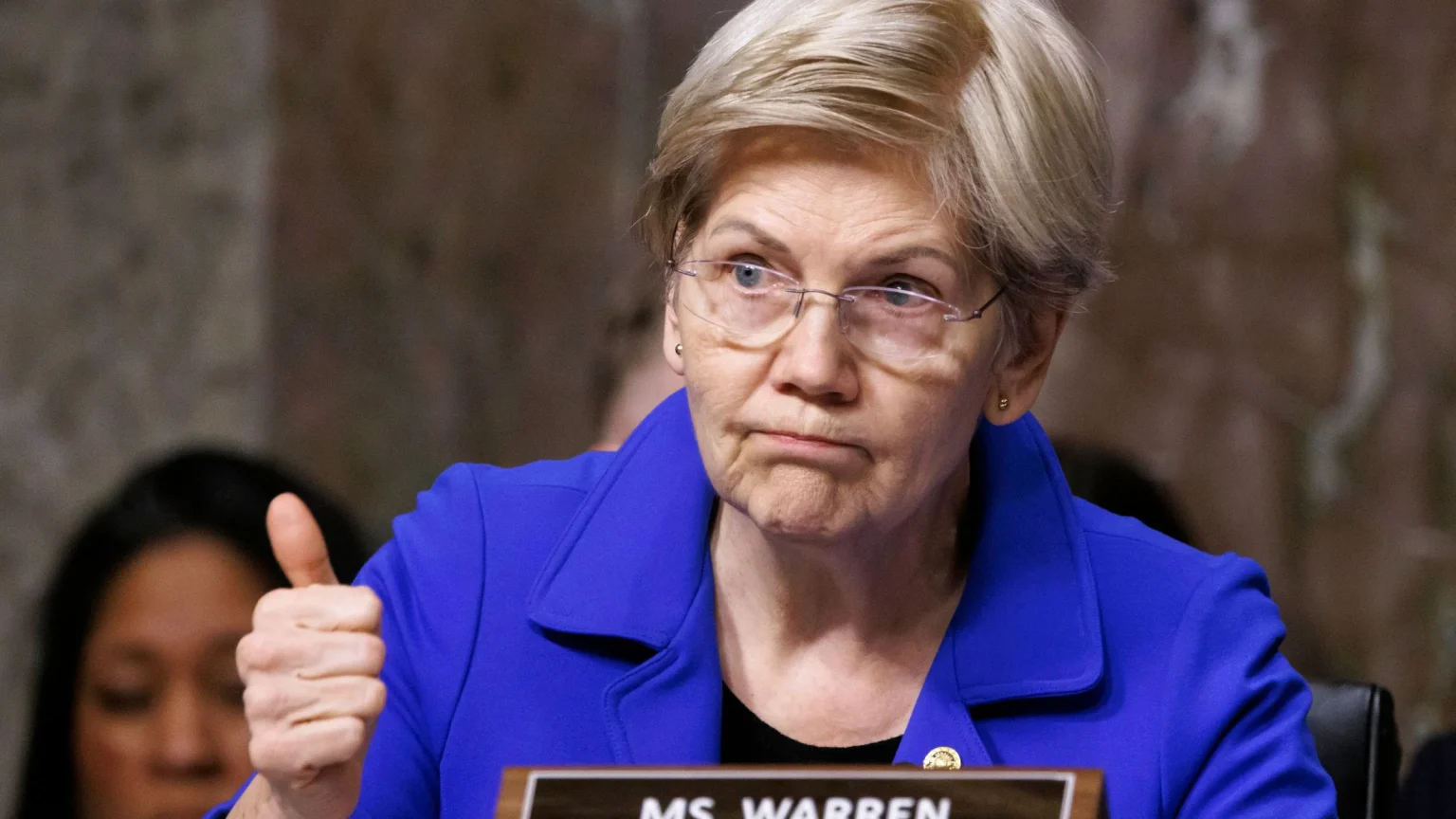
U.S. Senator Elizabeth Warren has asked Commodity Futures Trading Commission Chairman Michael Selig to explain whether the agency can fairly oversee prediction markets and crypto after reports of political interference, reduced enforcement and industry favoritism.
Warren, the top Democrat on the Senate Banking Committee, asked Selig to provide records by June 18. She requested communications between the CFTC and prediction market firms, along with details on staff placed on leave after working on prediction market and crypto oversight.
Warren Wants CFTC Records by June 18
The letter focuses on whether the CFTC has enough independence and staff to police fast-expanding event contracts. Warren said the agency has claimed exclusive jurisdiction over prediction markets while also taking on more crypto oversight.
Her concern is that the regulator is being asked to do more with fewer people. The Senate Banking Committee statement said the CFTC workforce has fallen by about 25% and that enforcement activity has declined under the Trump administration.
Warren Cites Political Interference Reports
Warren cited reports alleging that agency leadership intervened in ways that benefited companies backed by Trump allies and punished staff who raised concerns.
Those claims are central to her request for records. She is asking the CFTC to show how it handled contacts with prediction market firms, crypto companies and internal staff decisions. CFTC representatives did not immediately respond to a request for comment, according to reports. The White House has previously said President Trump had no conflicts of interest.
Event Contracts Face Insider Trading Concerns
The inquiry comes as prediction markets face more pressure over insider trading risks. In March, Warren and more than 40 lawmakers asked the CFTC and the Office of Government Ethics to remind federal employees that using nonpublic government information to trade prediction markets is illegal.
The CFTC has already flagged misuse of nonpublic information in event contracts. In February, its enforcement division cited Kalshi-related cases involving a political candidate trading on his own candidacy and another trader with access to nonpublic information tied to a YouTube channel.
25% Staff Drop Raises Crypto Oversight Doubts
The dispute also matters for crypto because the CFTC could play a larger role in digital asset oversight if Congress gives the agency more authority over spot crypto markets. Warren argued that a weaker or politically exposed regulator would put investors and market integrity at risk.
Selig’s response will show how much detail the agency is willing to give Congress about its prediction market contacts, crypto oversight work and staff decisions. Until then, Warren’s request puts the CFTC’s prediction market and crypto role under closer congressional scrutiny.