

Image Credit: Shutterstock
Key Takeaways
- Lummis says three sections of the Clarity Act give Treasury new sanctions authority and legal cover for firms that freeze suspicious crypto transactions.
- Warren argues the bill instead carves out exemptions that could enable sanctions evasion via DeFi platforms.
- A Senate floor vote remains uncertain, with Polymarket odds of 2026 passage down to 33%-37% from over 80% in February.
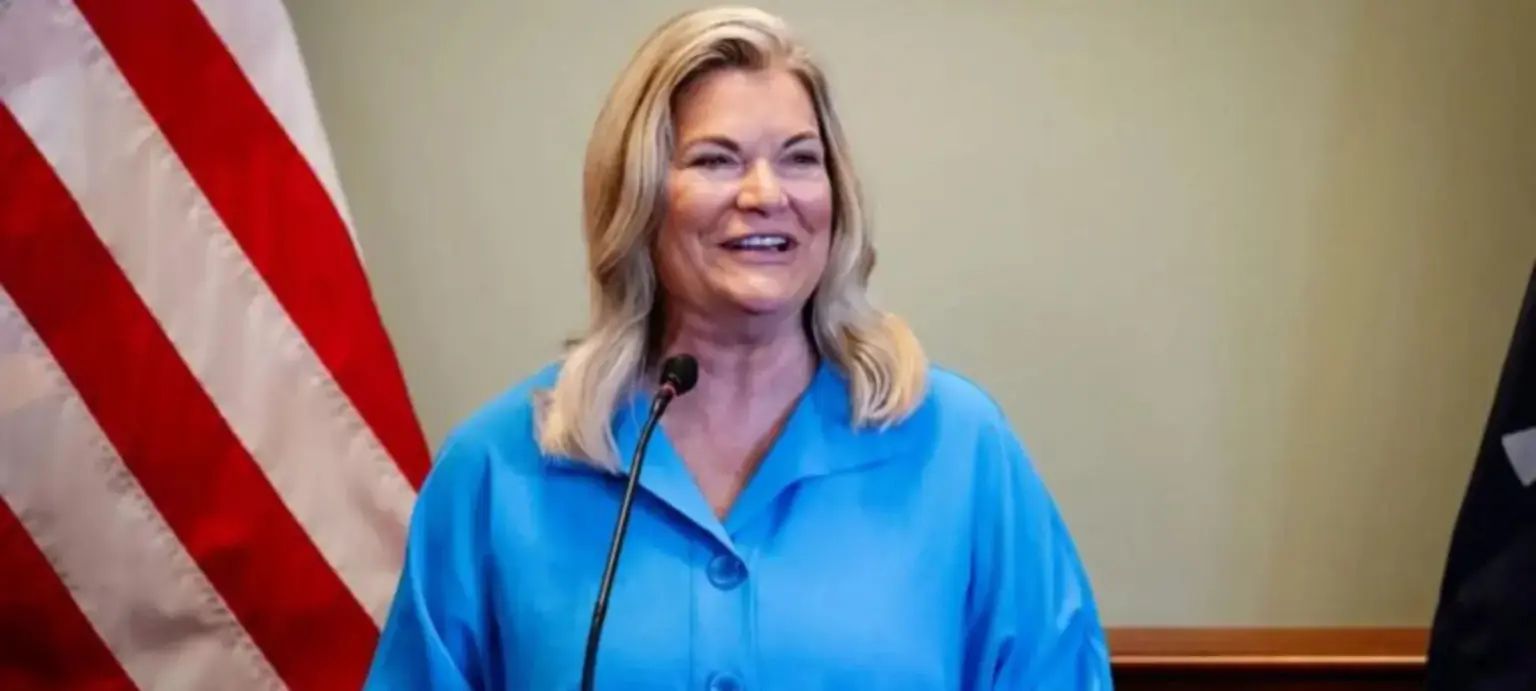
Senator Cynthia Lummis said the Digital Asset Market Clarity Act closes financial gaps that North Korea’s Lazarus Group uses to move stolen crypto funds. The Wyoming Republican made the case in a post on X as the bill’s path to a Senate floor vote remains uncertain.
Where the Bill Stands
H.R. 3633, the Digital Asset Market Clarity Act, passed the House in July 2025 with bipartisan support. The Senate Banking Committee advanced the bill on May 14, 2026.
Senate Republicans released a merged draft on July 22 that adds ethics rules and illicit-finance language. The bill has not reached a full Senate floor vote.
In her X post, Lummis wrote that gaps in financial rules let bad actors including Lazarus Group operate, and said the bill gives Treasury new sanctions authority along with legal protection for firms that freeze suspicious transactions before funds move.
Lummis Points to Three Specific Sections
Lummis has cited three provisions to counter critics of the bill. Section 201 applies Bank Secrecy Act and anti-money-laundering rules to crypto firms. Section 303 adds sanctions authority aimed at Iran. Section 305 lets exchanges freeze funds tied to suspicious activity, provided they cooperate with law enforcement.
Senator Elizabeth Warren has argued the opposite. In a post on X earlier this month, Warren said the bill, as drafted, is a ticket to sanctions evasion, citing concerns that the legislation carves out exemptions for decentralized finance platforms. Lummis disputed that characterization in her own post, pointing to the same sections she has used to argue the bill strengthens rather than weakens enforcement.
Senate Timeline Remains Unsettled
Senate Majority Leader John Thune said last week he does not expect a final vote before the August recess, though he wants floor debate to begin. Republicans hold 53 Senate seats and need roughly seven Democratic votes to clear the 60-vote threshold required to pass most legislation.
Prediction market Polymarket priced the 2026 passage of the bill at roughly 33% to 37% as of Monday, down from above 80% in February. A delayed vote would push the bill toward a midterm-election calendar, when floor time and bipartisan cooperation typically narrow.
Lazarus Group’s Record of Large-Scale Crypto Theft
Lazarus Group has used crypto theft to help fund North Korea’s weapons programs for years. The group stole roughly $625 million from the Ronin Bridge in 2022, the network underlying the game Axie Infinity. It stole another $1.5 billion from the Bybit exchange in February 2025, the largest crypto heist on record to date.
The U.S. Treasury Department estimates Lazarus Group has taken at least $3.4 billion in crypto since 2007. The group has also used operatives posing as remote information-technology workers to gain direct access to crypto firms’ systems.
What Happens Next
Industry groups continue to press for a Senate vote before the August recess. Democratic holdouts have said they want firmer ethics language covering officials’ crypto holdings before they will support the bill.
Whether the bill advances or slides into the fall session remains unclear. Industry groups and lawmakers on both sides say the outcome will shape whether Congress passes crypto market-structure legislation in 2026.