

Image Credit: Shutterstock
Key Takeaways
- The draft’s ethics section would have the Justice Department police crypto conflict complaints against senior officials, including the president, sunsetting in 2029.
- Democratic lawmakers had not yet reviewed the roughly 700-page text before industry representatives saw it, and the Senate needs at least 10 Democratic votes to pass the bill.
- The Senate has about 16 days before summer recess, with lawmakers calling the first week of August the last realistic window to advance the bill.
A near-final draft of the Digital Asset Market Clarity Act began circulating Wednesday as the U.S. Senate prepares for what may be its last push to pass the crypto industry’s long-sought market structure bill before its summer recess. The draft includes a contentious ethics section limiting crypto conflicts for the president and other senior officials, though the provision would sunset in 2029.
The draft follows days of talks with President Donald Trump that produced a Republican agreement on how to handle the bill’s biggest remaining obstacle: language restricting senior government officials, including the president, from direct crypto business ties. Under the current draft, the Department of Justice would police related ethics complaints, and regulators would have one year after enactment to implement the new rules.
Democrats Have Not Yet Reviewed The Text
Crypto industry representatives were shown details of the roughly 700-page draft before Democratic lawmakers had seen it. The Senate needs at least 10 Democratic votes to reach the 60-vote threshold required for most legislation, and many Democrats had already voiced concerns about the ethics section’s structure before the new draft emerged.
Senator Angela Alsobrooks, one of the few Democrats who supported the bill in committee, said before the draft’s release that Justice Department enforcement of the ethics provision would be an “unserious offer” she could not support, while adding that she would keep working toward an agreement that holds officials accountable.
Senator Cynthia Lummis, a Wyoming Republican and one of the bill’s lead negotiators, thanked Democrats for their input on the draft and said she remained committed to reaching a deal that would let the legislation become law. In later public remarks, she said passing the bill would help law enforcement combat illicit finance, strengthen consumer protections, and keep crypto markets operating onshore in the U.S.
Industry Groups Welcome Provisions On DeFi And Token Rules
The bill text reflects work from the Senate Banking and Agriculture committees, along with additional provisions aimed at addressing Democratic priorities on user and investor protection. Majority Leader John Thune intends to move the bill to the floor in the coming days before recess.
Digital Chamber CEO Cody Carbone called the draft “a meaningful step toward the Senate vote on the Clarity Act we’ve been calling for,” adding that the group remains ready to keep working until the bill reaches the president’s desk.
One provision drawing relief from the decentralized finance sector is the continued inclusion of the Blockchain Regulatory Certainty Act, which would keep developers who do not control users’ assets from being classified as money transmitters. The draft also adds new language on federal preemption, provisional registration procedures, and commodity pool operators. The Solana Policy Institute said the bill would establish clearer regulatory treatment for tokens, exchanges, and tokenized securities markets, along with new consumer and developer protections.
Trump’s Crypto Earnings Remain Central To The Dispute
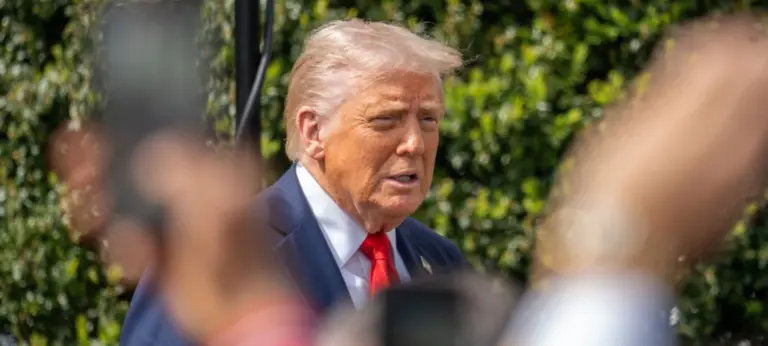
Democratic opposition to the bill has centered on Trump’s personal crypto holdings. Financial disclosures showed Trump earned more than $1 billion from crypto-related interests last year, a figure Democrats have cited as evidence of a conflict of interest tied to his administration’s crypto policy.
Republican senators met with Trump last week, and a White House official said Monday that Trump had agreed to what the official described as the most comprehensive ethics provision of its kind. It remains unclear when any new restrictions would apply to Trump himself or how he would handle existing crypto holdings, including a stake in World Liberty Financial.
Banking trade groups, which have pushed for changes to how the bill treats stablecoin yield products, said the new draft still puts local lending activity at risk, while acknowledging senators’ willingness to consider targeted changes.
A Narrow Window Before Recess
The Senate has 16 days, including weekends, before its summer recess begins. Floor time will be limited in September as the chamber’s calendar shifts toward the November midterm elections. Lawmakers have described the first week of August as the last realistic window for the Clarity Act to advance through the Senate in the normal legislative process.