

Image Credit: Shutterstock
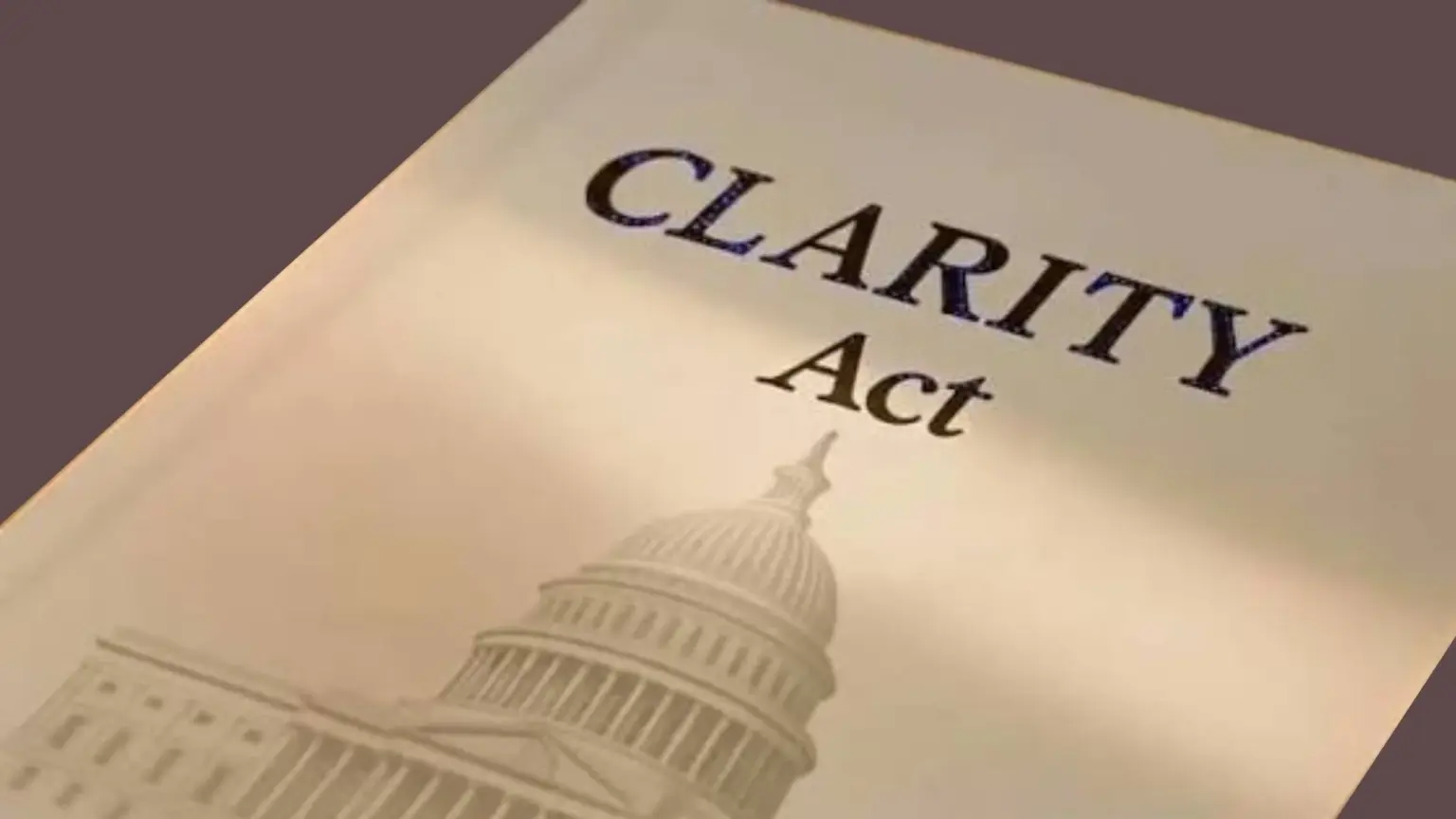
The U.S. Senate has put the CLARITY Act on hold while lawmakers focus on federal nominations and a Russia sanctions bill. The delay gives lawmakers less time to pass the crypto market-structure bill before the Senate begins its summer recess on August 8. Senate leaders have not announced a new date for a floor vote.
Russia Sanctions Bill Delays Senate Action on Crypto
Senate Majority Leader John Thune first moved forward with a group of federal nominees. He then turned to a bill covering sanctions on Russia and tariffs on countries that trade with it. Senate rules and required waiting periods make it difficult to handle several disputed bills at once. Voting on the CLARITY Act is therefore unlikely to begin until lawmakers finish or set aside the other measures. Lawmakers could still take early steps on the bill before the August recess. However, a full vote may be delayed until September. Thune said:
“Senate leaders would need to “see where the votes are” before moving forward.”
Republicans still need enough Democratic support to reach the Senate’s 60-vote threshold.
Crypto Ethics Rules Remain Unresolved
The Senate released an updated version of the bill on July 22, but lawmakers remain divided over restrictions on crypto activity by senior government officials. The current text would stop the president, vice president and some members of Congress from issuing or sponsoring digital assets until January 2029.
Democrats argue that the provision does not clearly require President Donald Trump to give up existing crypto businesses, licensing agreements or revenue-sharing interests. Negotiations are continuing, but lawmakers have not reached a final agreement on the ethics section.
At least eight Democrats must support the bill for it to advance. Two Democratic senators backed it during the Senate Banking Committee vote in May, but they have not promised to support the final Senate version.
Senate Action May Resume in September
The House and Senate are scheduled to return for several weeks in September. Lawmakers may use that period to move the bill if voting does not begin before the August break.
The CLARITY Act would divide crypto oversight between the Securities and Exchange Commission and the Commodity Futures Trading Commission. It also covers stablecoin rewards, anti-money laundering rules, decentralized finance, token sales and tokenized securities.
Even if the Senate passes its version, the House would still need to approve the final text. The bill must then reach Trump’s desk before it can become law.