Image Credit: Shutterstock
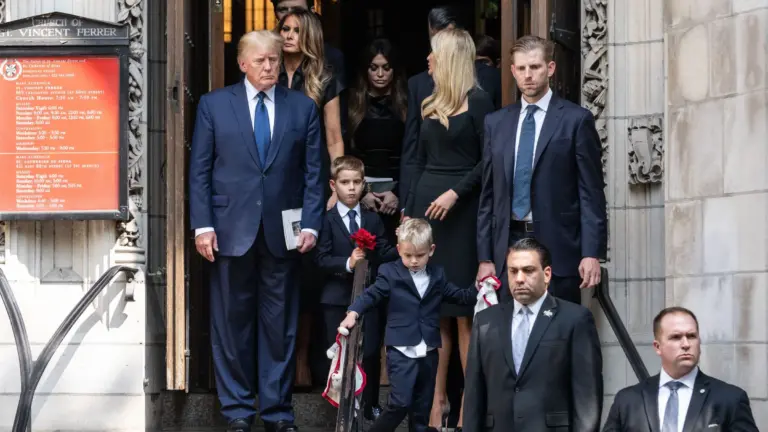
President Donald Trump canceled a planned signing ceremony for the 21st Century ROAD to Housing Act, delaying a bipartisan housing package that also includes a temporary ban on a US central bank digital currency.
The delay matters for crypto policy because the bill would restrict the Federal Reserve from issuing a retail digital dollar through 2030.
CBDC Ban Would Run Through 2030
The bill is mainly a housing affordability measure. It is aimed at easing construction rules, expanding access to housing finance and limiting large institutional purchases of single-family homes. Its crypto provision sits inside the same package.
The measure would bar the Federal Reserve Board or a Federal Reserve bank from issuing or creating a CBDC, or a similar digital asset, directly or through a financial institution or other intermediary. The restriction would run until Dec. 31, 2030.
Cash-Like Dollar Exception Remains
The bill also includes an exception for dollar-denominated currency that is open, permissionless, private and preserves privacy protections linked to physical cash. That language separates the CBDC restriction from broader private digital-dollar products.
The provision targets a government-issued retail digital dollar, not stablecoin issuers, exchanges or payment firms operating under separate legislation and agency rules.
Trump Links Signature to SAVE Act
Trump said he would not sign the housing bill until Congress passes the SAVE America Act, a voting measure he has pushed Republicans to advance.
The move paused a bill that had already cleared Congress by wide margins. The Senate passed it 85-5, and the House approved it 358-32 before sending it to Trump’s desk.
CBDC Language Remains in Limbo
The CBDC language has passed both chambers, but it is not law while the president withholds his signature and the bill remains unsigned. That leaves the anti-CBDC measure in limbo despite its inclusion in a broader housing package that had strong bipartisan support.
The Federal Reserve has not launched a US CBDC. The bill would make that position harder to reverse before 2031 without Congress changing course.
Crypto Firms See No Immediate Change
The delay does not change current operations for digital asset firms. Stablecoin issuers, exchanges and payment companies are still working under separate legislation, state rules and federal agency oversight.
For CBDC critics, the stalled bill delays a federal restriction they had supported. For the housing package, it turns a policy bill into another bargaining point in a wider political fight. The immediate question is whether Trump signs the bill, vetoes it or lets the constitutional clock run.