

Image Credit: Shutterstock
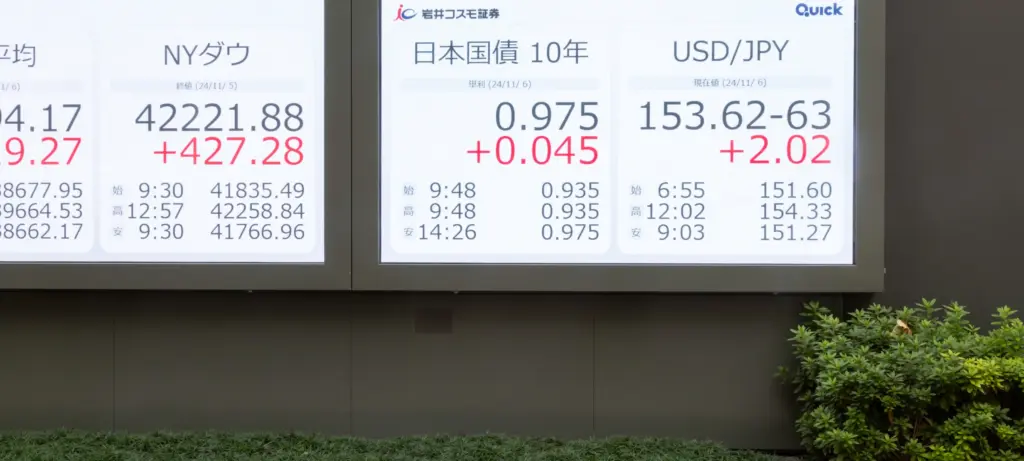
Concerns about a yen carry trade unwind have returned after Japan and the United States bought yen together to support the currency. The action followed the yen’s fall to 40-year lows and pushed it to about 155.20 per dollar, its strongest level in nearly three months, before it gave back part of the gain.
Many investors borrow yen at low interest rates to buy assets that offer higher returns. A sudden rise in the currency can make those positions pricier and lead investors to sell stocks, bonds, crypto and other assets.
U.S. Joins Tokyo in Rare Yen Intervention
Japan’s Finance Ministry confirmed that Tokyo and Washington carried out coordinated yen-buying intervention on July 31. It was the first joint action of this kind since 2011, when several countries intervened after Japan’s earthquake and tsunami. Finance Minister Satsuki Katayama said:
“We will not hesitate to conduct further coordinated intervention.”
U.S. Treasury Secretary Scott Bessent also said Washington was prepared to take part in further action if needed. Japan may have bought as much as $58.97 billion worth of yen during an earlier round of intervention on July 30. The joint action added pressure on traders who had built large bets against the currency.
Yen Short Positions Begin to Close
The yen rose for a third straight session on August 3 as investors reduced short positions. Net short yen bets had reached roughly $12.5 billion, their highest level in two years, before the intervention.
A carry trade means borrowing yen at low rates and using the proceeds to buy higher-yielding assets. When investors close the trade, they sell those assets and buy yen to repay the original borrowing.
Closing large short positions can push the yen higher. Heavy yen buying adds direct upward pressure to the currency.
Stronger Yen Raises Risk for Global Markets
The intervention has not caused a broad market selloff, but Asian stocks remained under pressure. Japan’s Nikkei fell about 1%, while South Korea’s KOSPI dropped more than 5% during trading on August 3.
Further yen gains could force more investors to sell assets bought with borrowed currency. A similar unwind in August 2024 affected global stocks, U.S. technology shares and bitcoin. Traders will now watch for more intervention and signs that the Bank of Japan could raise interest rates again in September.