

Image credit: Shutterstock
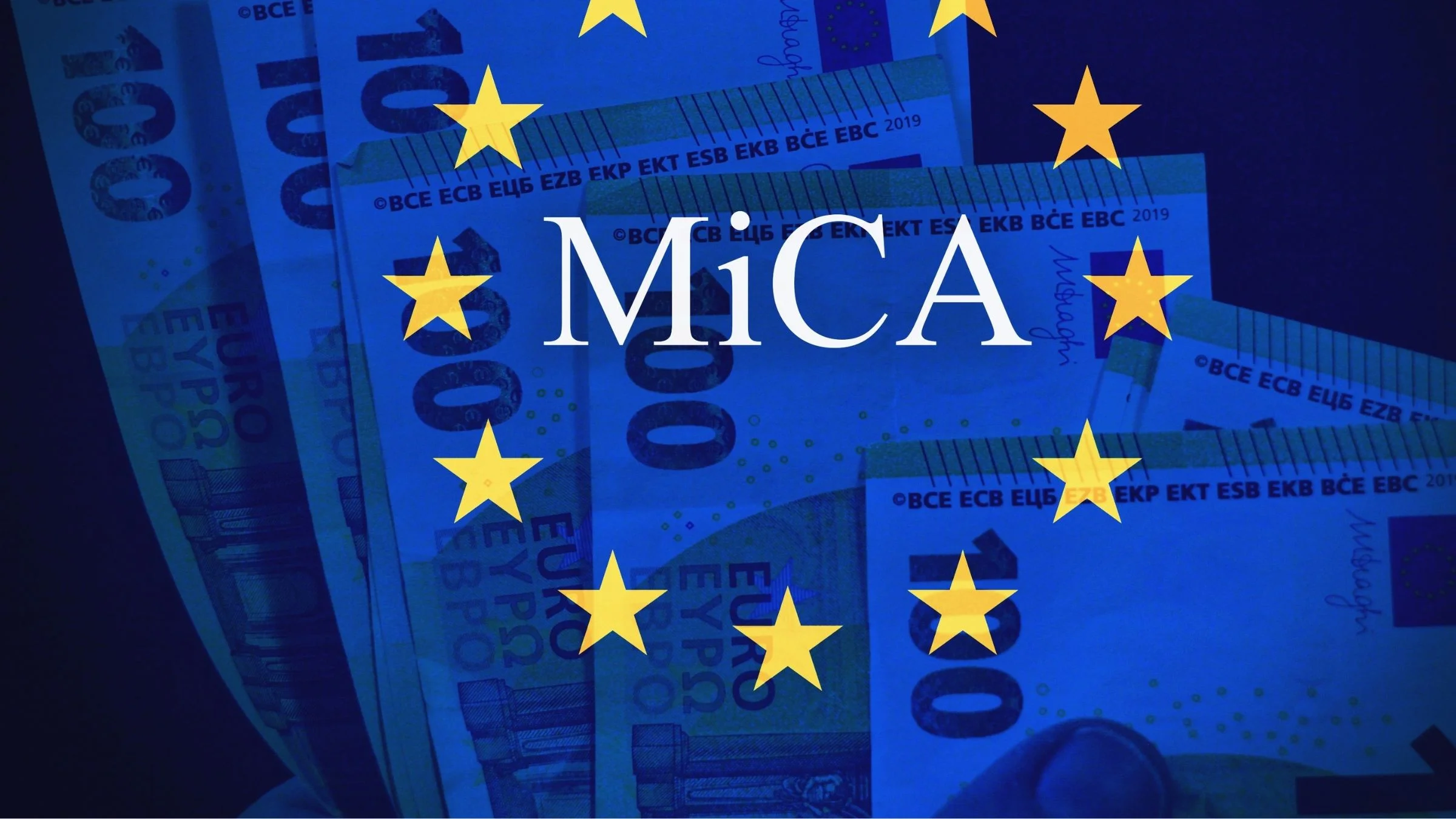
European Commission adviser Peter Kerstens has said the European Union should focus its next digital asset work on tokenization and real-world assets instead of rushing into a second MiCA package for decentralized finance.
Kerstens, one of the architects of the Markets in Crypto-Assets Regulation, made the comments during a fireside chat at WAIB Summit Monaco 2026 as Brussels reviews whether its crypto rulebook still fits the market.
Kerstens Says MiCA is Not Outdated
Kerstens said he does not believe MiCA is already outdated, but added that the Commission’s consultation will help decide the EU’s next steps. The review is open until Aug. 31 and is aimed at crypto firms, token issuers, public authorities, supervisors and other specialist respondents.
The Commission launched the review on May 20 to assess MiCA after its first phase of implementation and after further changes in digital asset markets. The feedback can feed into a report on MiCA and may lead to a new legislative proposal if Brussels decides the framework needs changes.
DeFi Remains Hard to Fit Into EU Rules
DeFi is part of the review because many protocols sit outside MiCA’s scope. Kerstens said regulating DeFi would be difficult because laws can be applied to people and organizations, not directly to computer networks.
He also said DeFi has no formal representatives and questioned whether new rules are needed without a clearly defined problem. That points to a familiar issue for policymakers, since decentralized systems do not give regulators the same legal target as exchanges, issuers or custodians.
Tokenization and RWAs Get Policy Focus
Kerstens’ comments shift attention toward tokenized assets, where banks, asset managers and market infrastructure firms are already testing blockchain-based products. The Commission’s consultation says traditional financial services providers are moving into crypto and tokenized assets, forcing Brussels to check whether MiCA still works for current market activity.
That makes tokenization easier to address than DeFi in the near term. Tokenized securities, deposits and real-world assets usually involve issuers, custodians, platforms or regulated intermediaries, giving lawmakers entities that can be licensed, supervised and held responsible.
MiCA Transition Ends on July 1, 2026
The review comes before the end of MiCA’s transition period for crypto-asset service providers. ESMA says the grandfathering clause lets firms that were already operating under national law before Dec. 30, 2024, continue until July 1, 2026, or until they receive or are refused MiCA authorization.
After that date, firms serving EU clients will need MiCA authorization or a wind-down plan. The next phase of EU crypto policy will depend on whether consultation responses push Brussels toward tokenization rules, DeFi rules or a narrower update to the existing regime.