

Image Credit: Shutterstock
Bitcoin options traders are paying more for protection against sharp losses as tensions involving Iran and the Strait of Hormuz continue to affect oil prices, inflation expectations and demand for risk assets. NATO added to the geopolitical focus through its July summit declaration, while Bitcoin recovered above $65,000 after falling near $63,000.
NATO Highlights Iran and the Strait of Hormuz
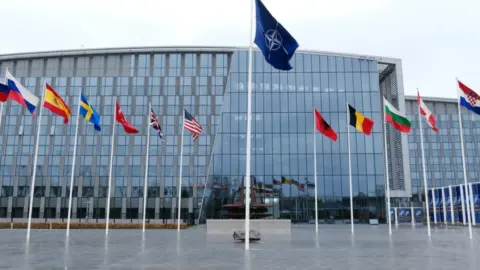
NATO’s July summit declaration stated that Iran must never obtain a nuclear weapon. It also called on Iran to respect freedom of navigation through the Strait of Hormuz.
The statement did not commit NATO to direct military action. However, it placed Iran and the security of the Strait more clearly within the alliance’s wider security discussions.
The Strait remains central to global energy trade. Brent Crude rose to around $88.72 per barrel as markets priced in the risk of supply disruptions.
Bitcoin Options Show Defensive Positioning
Bitcoin’s recovery has not removed demand for downside protection. The 25-delta options skew for Bitcoin weakened sharply in July, showing increased demand for bearish hedging.
The indicator compares the implied volatility of put options with similar call options. Puts become more expensive when traders are willing to pay more to protect against falling prices. The indicator shows traders are paying more for downside protection than for upside exposure.
Oil and Interest Rates Shape Bitcoin Risk
Disruptions in the Strait of Hormuz could push energy prices higher. Bitcoin often trades like a high-risk technology asset during market stress. On July 21, the U.S. Dollar Index traded near 100.96, while the two-year Treasury yield remained above 4.15%.
Bitcoin’s move back above $65,000 shows that buyers remain active despite geopolitical uncertainty. The recovery came as oil prices eased and hopes for diplomatic progress improved market sentiment.
The difference between spot and options markets remains important. Options traders are keeping protection in place in case the conflict worsens. A lasting ceasefire could also reduce inflation concerns and support demand for risk assets. The risk would increase if attacks disrupt energy infrastructure or restrict movement through the Strait.