

Image credit: Shutterstock
Crypto-backed political money is flowing into two Texas runoffs on May 26, with industry-aligned groups backing challengers in both a Houston-area House race and the Republican Senate runoff.
The House runoff pits Rep. Al Green against Rep. Christian Menefee in Texas’ 18th Congressional District. The Senate runoff will decide whether Ken Paxton or John Cornyn becomes the GOP nominee.
Protect Progress Spends $7.8M in Menefee Race
In the House race, Protect Progress, a Fairshake-linked super PAC that backs Democrats seen as more open to crypto policy, is supporting Menefee. The group has reported $5 million supporting Menefee and $2.8 million opposing Green, after earlier reporting put its pro-Menefee spending above $4 million.
The spending has helped turn the contest into what the Texas Tribune described as the most expensive House runoff in Texas. Green has used the outside money to argue Menefee is benefiting from crypto-backed interests. Menefee has countered that Green also takes support from corporate PACs.
Fellowship PAC Puts $500K Behind Paxton
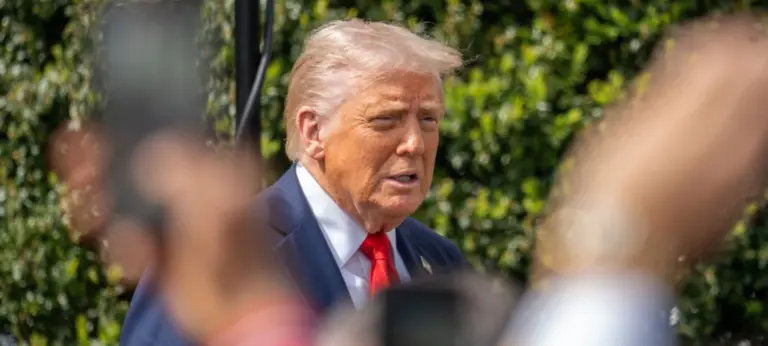
Crypto money is also showing up in the Republican Senate runoff, though through a different vehicle. Fellowship PAC, backed by Cantor Fitzgerald and Anchorage, disclosed $500,000 in support for Paxton after Donald Trump endorsed him.
That gives the Texas attorney general another outside boost in an already costly race. The crypto spending is not the dominant financial force in the Senate contest. Cornyn and allied groups have still heavily outspent Paxton overall, though Trump’s endorsement shifted the late dynamics of the runoff.
Kalshi Gives Menefee 91% and Paxton 96%
Prediction markets were also leaning toward both crypto-backed challengers as of Monday. Kalshi gave Menefee about a 91% chance of defeating Green and Paxton about a 96% chance of defeating Cornyn.
Polymarket showed a similar direction in both races. On Polymarket’s Senate market, Paxton was trading around 97%.
Texas Runoffs Test Crypto Primary Spending
The runoffs matter beyond the immediate results because they test whether crypto-linked outside spending can shape primary contests before major digital asset votes in Congress. One Fairshake-linked PAC is spending against an incumbent criticized by crypto-aligned groups.
A separate crypto-aligned fund is backing Paxton in a Trump-shaped Republican runoff. For the crypto industry, Texas is the next short-term test of whether targeted primary spending can help elect candidates seen as more favorable to digital asset policy.