

Image Credit: Shutterstock
Key Takeaways
- AI-linked crypto tokens surged sharply after NVIDIA’s GTC 2026 keynote, with Fetch.ai up ~66%, Bittensor up over 60%, Qubic up ~53%, and Render up ~34% during the rally period.
- Bittensor received an additional boost after Jensen Huang appeared on the All-In Podcast and compared decentralized AI training networks to Folding@home, driving TAO up an additional 17% in a single session.
- Analysts flagged significant risks including sentiment-driven volatility, unclear adoption metrics, and direct competition from centralized giants like NVIDIA, Amazon, Google, and Microsoft.
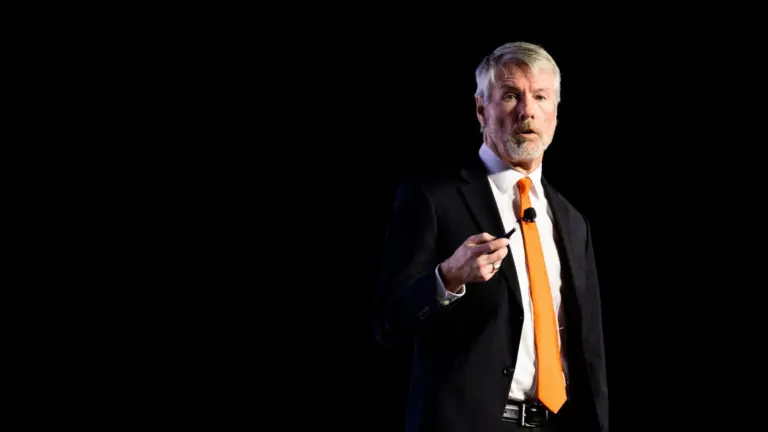
AI-linked crypto tokens posted sharp gains in the days following NVIDIA CEO Jensen Huang’s appearance at the company’s annual GTC developer conference in mid-March 2026, where he projected more than $1 trillion in GPU infrastructure spending between 2025 and 2027. Fetch.ai climbed roughly 66%, Bittensor surged over 60%, Qubic gained approximately 53%, and Render rose around 34% in the period following the announcement, according to market data.
NVIDIA Announced Vera Rubin Chip and Major Cloud Partnerships at GTC 2026
At the GTC keynote, Huang attributed the projected infrastructure spending to the rapid growth of AI startups and rising enterprise demand. NVIDIA introduced the Vera Rubin, a new chip the company said is designed to handle heavier AI workloads more efficiently than previous generations.
On the software side, the company launched a free tool designed to help businesses build autonomous AI systems. Cloud commitments also featured prominently: AWS announced plans to deploy more than one million NVIDIA GPUs globally in 2026, according to the company, and Microsoft Azure became one of the first major cloud providers to adopt the new Vera Rubin systems.
Bittensor, Fetch.ai, Render, and Akash Network Led Token Gains
Tokens linked to blockchain-based computing and AI development posted gains in the days following the keynote. Fetch.ai’s daily trading volume jumped more than 106% after Huang’s keynote presentation, according to LunarCrush. Render focuses on distributed GPU rendering and AI workloads, Akash Network offers decentralized cloud computing services, and Bittensor operates a network in which machine learning models can be trained and rewarded for contributing useful outputs.
The three projects are each built around aggregating unused computing power from individuals and companies into shared networks, distinguishing them from centralized providers such as NVIDIA, Amazon, Google, and Microsoft.
Huang’s All-In Podcast Appearance Drove Additional Single-Session Gains
Momentum extended after Huang appeared on the All-In Podcast and likened decentralized AI training networks to Folding@home, a distributed computing project that let volunteers donate spare processing power for scientific research.
TAO rose an additional 17% in a single session following the appearance. Search traffic and social engagement for the tokens rose during both windows, according to LunarCrush data. The rally across AI-linked tokens was concentrated in the days immediately following Huang’s two public appearances, with LunarCrush data showing elevated search traffic and social engagement during both windows.
Fetch.ai recorded the largest volume increase at more than 106%, while Bittensor’s TAO posted its sharpest single-session gain of 17% after the podcast appearance. Qubic and Render also recorded significant percentage gains in the same window, according to LunarCrush.