Consensus 2026 Packed 20.000 Into Miami to Talk Crypto Payments; The Food Hall Only Took Cash and Cards


Image Credit: Shutterstock
Key Takeaways
- Consensus 2026 drew thousands to Miami for three days of panels on crypto payments, but not one food vendor at the venue accepted Bitcoin or stablecoins.
- The crowd skewed heavily institutional, with discussion centered on tokenized treasuries, yield-bearing stablecoins, and AI agent payments rather than memecoins.
- The U.S. ranks 11th out of 14 countries surveyed for everyday crypto integration, and only 6% of crypto investors consider digital assets mainstream for payments.
The crypto industry’s flagship conference, Consensus 2026, drew thousands of attendees from over 100 countries to the Miami Beach Convention Center for three days of panels on stablecoins, tokenized assets, AI agents, and institutional infrastructure. Not one food vendor at the venue accepted Bitcoin or stablecoins.
Three Days of Payments Talk, Zero Crypto at the Register
On the main stage and in breakout rooms, speakers made the case for faster, cheaper, more transparent on-chain transactions. In the food hall, attendees paid for lunch with Visa and Mastercard. The disconnect was hard to miss: the largest annual gathering of the industry building crypto payments infrastructure did not use any of it at its own venue.
According to the Sandmark Crypto Intelligence Report 2026, only 6% of crypto investors consider digital assets mainstream for payments. Just 23% rank real-world utility among their top investment considerations.
CCN’s Global Crypto Lifestyle Index, which measures how crypto integrates into everyday life through factors like usability, regulation, and payment infrastructure, ranks the United States 11th out of 14 countries surveyed. Years into mainstream awareness, everyday merchant adoption remains the industry’s most persistent gap.
Suits Outnumbered Hoodies
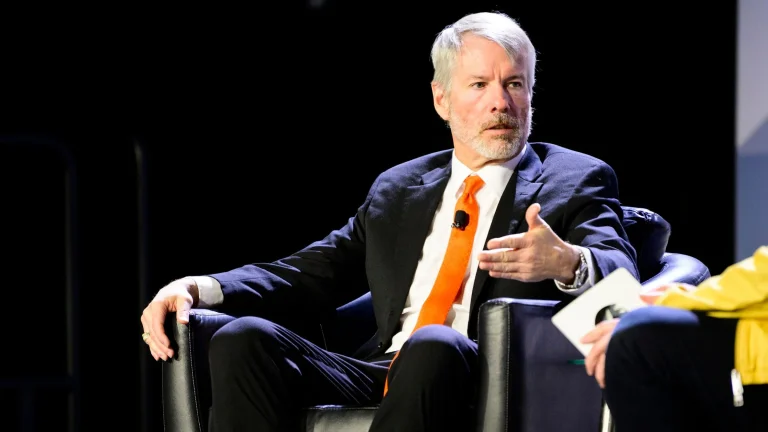
The crowd at Consensus 2026 looked different from previous years. The attendee mix skewed noticeably institutional. Conversations centered on tokenized private credit, real-world assets, stablecoin yield structures, AI agents, and collateral frameworks rather than memecoins and airdrops. The event ran more than 150 sessions and facilitated over 5,000 meetings across its three days.
High-profile attendees included Eric Trump and Donald Trump Jr. Binance founder Changpeng Zhao made a final-day appearance and floated the possibility of reviving Binance.US, the dormant U.S. arm of the exchange that has been largely inactive since its legal settlement in 2023.
Yield-Bearing Stablecoins and Tokenized Treasuries Dominated Panels
Asset managers discussed valuation frameworks adapted for on-chain assets, including treating staking rewards as cash flows and building scenario analysis around token unlocks and fee switches. Tokenized treasuries and money market funds drew attention as potential high-quality collateral backing a new generation of stablecoins.
New stablecoin designs presented at the conference allow users to mint dollar-denominated tokens backed by on-chain reserves while routing yield into a separate token that the minter retains. The structure appeals to payment companies, remittance providers, gaming platforms, and sovereign entities that want to capture yield and transaction data rather than hand both to a traditional issuer.
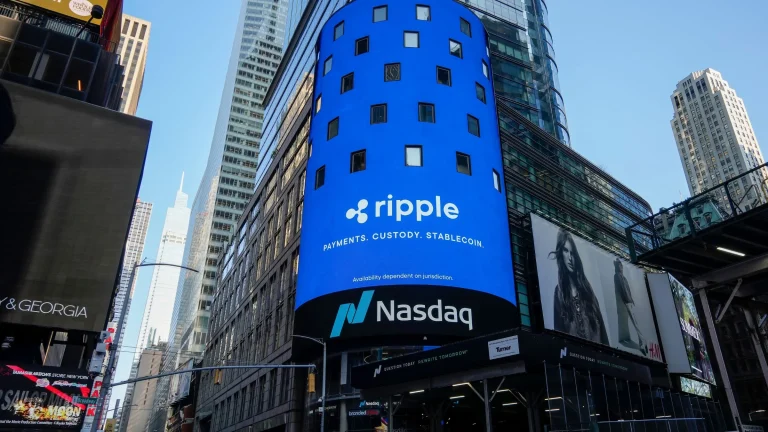
Ripple chief executive Brad Garlinghouse projected the stablecoin market would reach $3 trillion by 2031 and argued the industry should move beyond internal divisions to support passage of the CLARITY Act.
AI Agents and Gaming Got the Most Attention
Speakers described a future payments layer where AI agents execute on-chain transactions autonomously rather than waiting for users to push buttons. The enthusiasm came with caveats: participants stressed that trustless infrastructure is needed to manage exposure risks and prevent agent errors from becoming expensive mistakes.
Gaming drew interest as a near-term path to mainstream users. Established platforms are adding on-chain features to existing ecosystems through familiar app updates rather than asking players to set up wallets and learn new interfaces. The approach aims to avoid the retention failures of earlier Web3 gaming projects that tried to build entirely new ecosystems from scratch.
Trump Family Presence and Pending Bills Added Political Charge
The Trump family presence added a political charge. Attendees pointed to the CLARITY and GENIUS Acts as potential catalysts for institutional capital, stablecoin adoption, and tokenized real-world asset growth. Miami continues to court the industry with favorable policies and no state income tax.
The institutional conviction at this year’s event was real. Traditional asset managers, payments providers, and infrastructure builders are no longer just watching crypto from the sidelines. But the food hall told its own story. The industry that spent three days in Miami explaining why on-chain payments are the future still could not buy a sandwich with USDC at its own conference.