

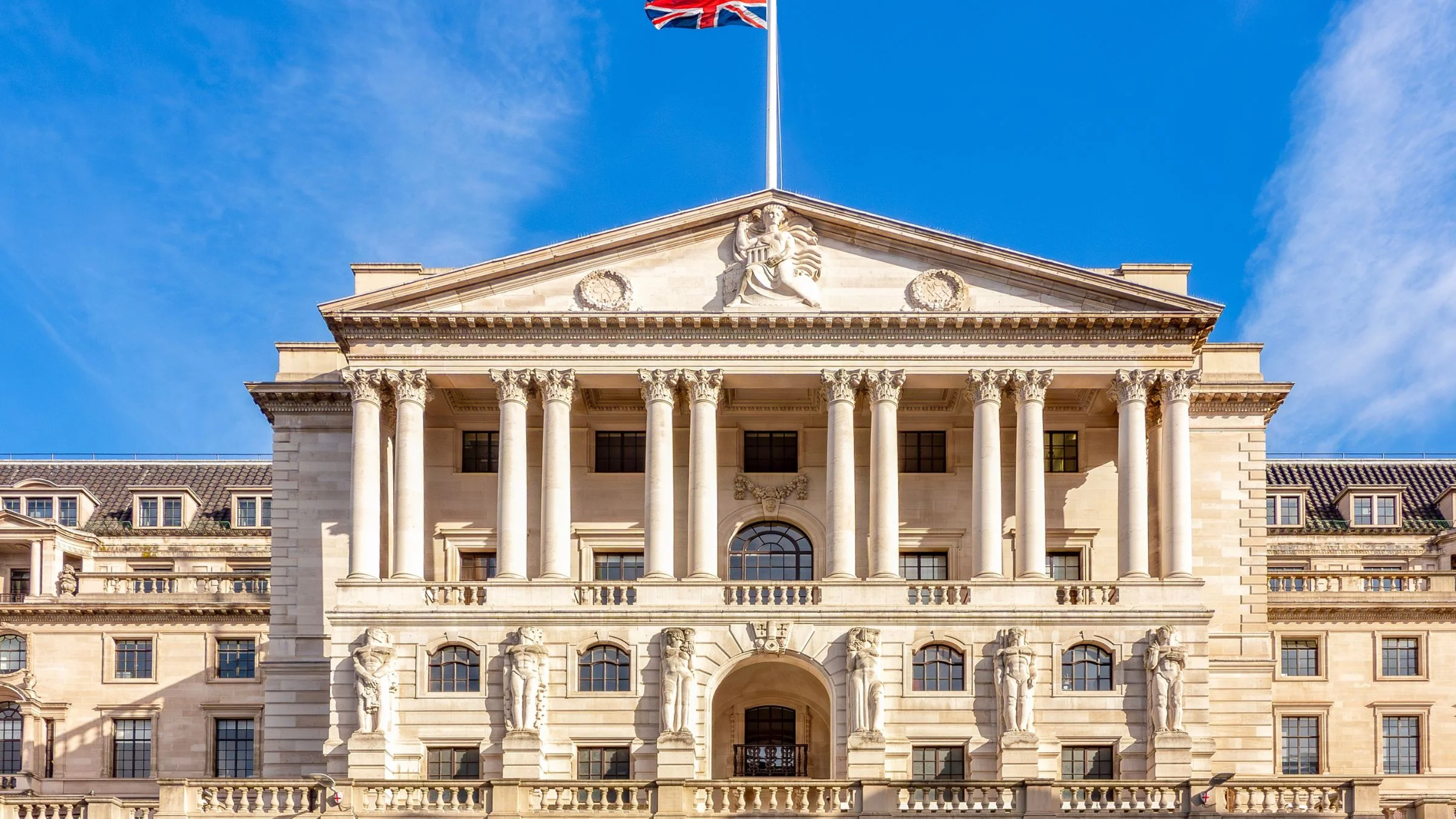
Image credit: Shutterstock
The Bank of England is reconsidering proposed sterling stablecoin rules, including a £20,000 individual holding cap and a 40% reserve requirement, after industry pushback.
Deputy Governor Sarah Breeden said the BoE is “looking very hard” at alternatives to parts of its proposed regime for systemic stablecoins used in payments. The review suggests the Bank is open to revising some of its strictest earlier safeguards.
£20K Personal Cap and £10M Business Limit Under Review
The earlier proposal would have capped individual stablecoin holdings at £20,000 and business holdings at £10 million. Breeden said the central bank is now reviewing alternatives to those limits.
Industry groups have argued that strict caps could make sterling stablecoins less useful for payments and less attractive for issuers. The comments mark a softer tone from the BoE than in March, when Breeden defended the framework while saying the Bank was open to credible alternatives.
40% Reserve Rule May be Eased After Industry Pushback
The BoE is also re-examining a draft reserve structure that would require systemic stablecoin issuers to place 40% of backing assets in non-interest-bearing deposits at the Bank of England. The remaining 60% would be allowed in short-term UK government debt.
Industry groups have warned that a large non-remunerated reserve requirement could make issuance commercially unattractive, especially if other jurisdictions offer more flexible rules. Breeden’s comments indicate the BoE is reviewing whether the proposed safeguards can be made more workable without weakening protections for users.
BoE Weighs User Safeguards Against UK Competitiveness
The Bank still wants systemic payment stablecoins to be redeemable and resilient under stress. The challenge is to keep those safeguards without driving issuers away from the UK. Officials are weighing whether the original design was too cautious as the government tries to position Britain as a credible digital asset hub.
The BoE is expected to supervise stablecoins deemed systemic for payments, while the Financial Conduct Authority will oversee other cryptoasset and non-systemic stablecoin activity under the wider UK framework.
Bailey Warns Cross-Border Stablecoin Risks Remain
The softer stance does not mean the BoE is abandoning caution. Governor Andrew Bailey warned on May 8 that stablecoins could create cross-border financial stability risks if countries apply different standards. He also said convertibility and run risk remain central concerns for regulators.
For issuers, the rules remain unfinished. If the BoE eases holding limits or adjusts the 40% reserve requirement, the UK could become a more workable market for regulated sterling stablecoins. If not, issuers may still view the regime as too restrictive for large-scale payment use.
Categories:

Fhumulani Lukoto
Cryptocurrency Journalist
Fhumulani Lukoto holds a Bachelors Degree in Journalism enabling her to become the writer she is today. Her passion for cryptocurrency and bitcoin started in 2021 when she began producing content in the space. A naturally inquisitive person, she dove head first into all things crypto to gain the huge wealth of knowledge she has today. Based out of Gauteng, South Africa, Fhumulani is a core member of the content team at Coin Insider.