
Elliptic CEO Says AI-Driven Transactions Will Outpace Human Compliance Teams

Talik Evans
- 2 min read

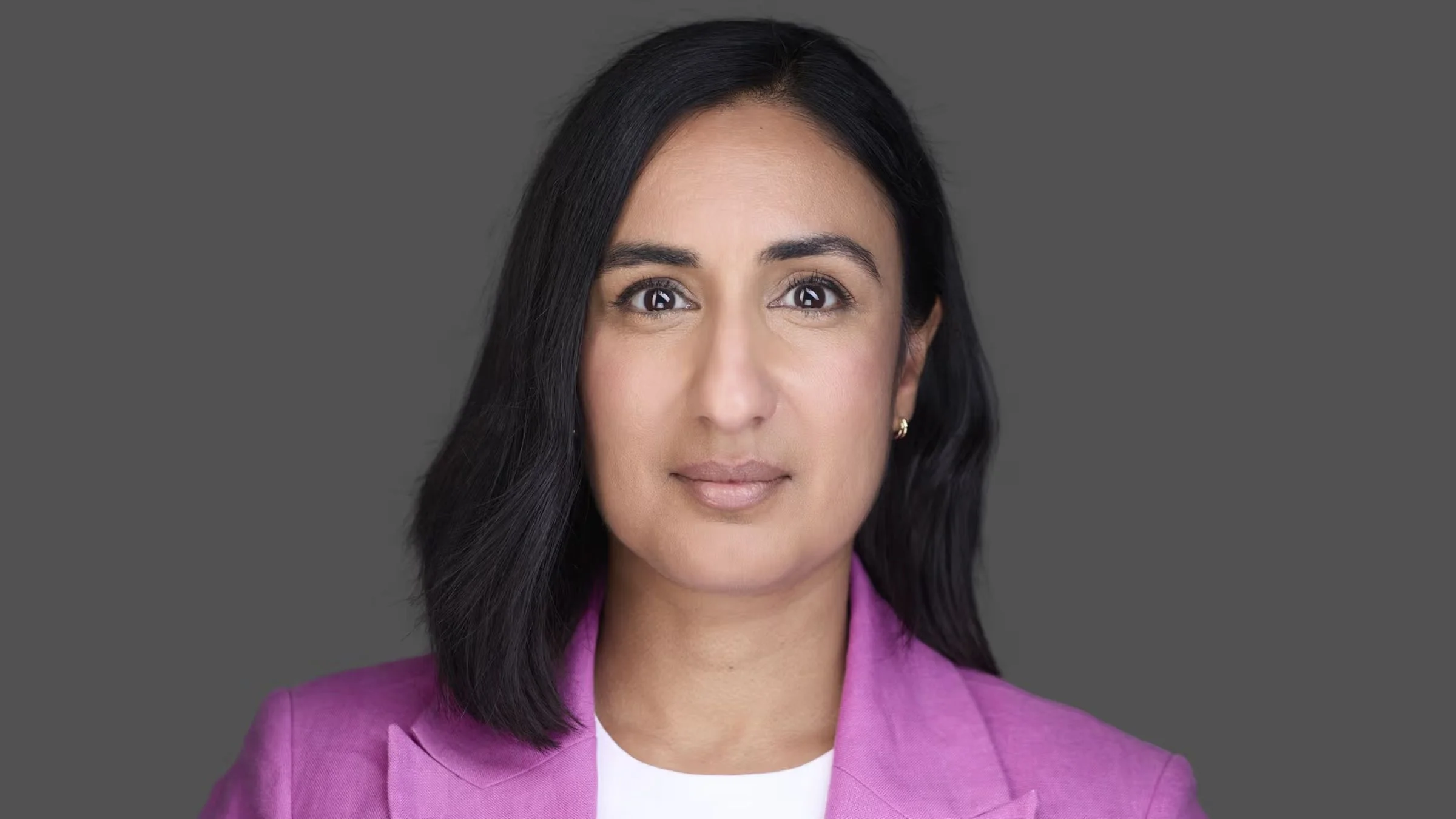
Image Credit: Elliptic
Key Takeaways
- Elliptic raised $120 million from Nasdaq, Deutsche Bank, and others to build AI-driven “agentic” compliance tools designed to automate transaction monitoring as crypto activity scales beyond human capacity.
- CEO Simone Maini warned that AI is a dual-use threat, the same tools compliance teams deploy are making it cheaper and easier for bad actors to run hacks, scams, and fraud at scale.
- Maini identified stablecoins, tokenized assets, and AI-driven payments as the next growth areas requiring compliance infrastructure, arguing the industry has matured more than outside observers recognize.
Blockchain analytics firm Elliptic raised $120 million from investors including Nasdaq and Deutsche Bank to build an AI-driven compliance system. CEO Simone Maini said the funding will go toward automating transaction monitoring as crypto activity grows faster than human analysts can keep up.
Maini made the comments in an interview with CoinDesk, arguing that the same AI tools being deployed by compliance teams are simultaneously making it cheaper and easier for bad actors to run large-scale hacks, scams, and fraud campaigns.
Elliptic Raised $120 Million to Build Agentic Compliance Tools as Transaction Volumes Grow
Elliptic’s $120 million raise, backed by Nasdaq and Deutsche Bank among other investors, is being directed toward what Maini described as an “agentic” compliance system: AI-driven tools designed to automate transaction monitoring and investigations that currently overwhelm compliance teams.
The firm is using AI agents internally to collect blockchain intelligence, attribute wallets, and detect suspicious patterns in real time. Maini framed the investment in economic terms:
“As transaction volume is growing, cost per alert handling, cost per investigation is falling. For us, what we’re essentially doing for our customers is inverting that cost curve in compliance.”
The fundraise comes as banks and asset managers are pushing deeper into digital assets, increasing the volume and complexity of on-chain activity that compliance systems must monitor. Maini pointed to stablecoins, tokenized assets, and AI-driven payments as the next growth areas for the industry, each of which will require compliance and monitoring infrastructure to scale alongside them.
Maini Says Manual Review Cannot Keep Pace With AI-Driven Transaction Volume
The core problem Maini identified is structural. Today’s compliance systems still rely heavily on manual review, with analysts investigating alerts, tracing wallets, and flagging suspicious activity. That model, she said, becomes unworkable once financial activity begins occurring continuously and at machine speed.
“When you think about agentic commerce, we’re thinking about the sheer volume of transactions and events that need to be monitored as growing exponentially,” Maini stated. The supply of human expertise is not keeping pace with that growth.
“There simply aren’t enough compliance analysts specializing in digital assets in the world to be able to keep up with these volumes,” she said.
Maini: AI Is Lowering the Cost of Attacks While Compliance Teams Use the Same Tools to Defend
The dynamic Maini described is bidirectional. While firms like Elliptic are deploying AI agents to scale their detection capabilities, the same underlying technology is reducing the cost and complexity of carrying out attacks. “AI can equip the bad actors with the ability to perform hacks, scams at a scale that they couldn’t do when they were reliant on writers,” she said.
As attackers use AI to lower the cost of phishing, exploits, and fraud campaigns, security firms are responding by deploying their own models to identify illicit activity faster and across larger datasets, turning crypto security into an increasingly automated arms race.
Maini Says the Industry Has Made More Progress Than Outsiders Recognize
Despite a recent wave of high-profile hacks, Maini said the industry has advanced further than many outside observers acknowledge. Maini argued that blockchain monitoring tools have matured significantly over the past decade, citing the growth in transaction volume and the expansion of activity across stablecoins, DeFi, and tokenized assets.
Categories:
Talik Evans
Journalist and Financial Analyst
Talik Evans is a financial writer and crypto researcher with a growing focus on digital assets, Bitcoin markets, and blockchain innovation. Since 2021, she has been exploring the world of cryptocurrency, writing about everything from exchange comparisons to regulatory updates and security practices.