

Image Credit: Shutterstock
Key Takeaways
- Bitcoin stalled near $77,800 after failing to break above $78,700, with the rally from $65,000 losing momentum as macro headwinds stack up.
- Japanese inflation came in above expectations and the Bank of Japan’s upcoming meeting is now in focus, with a hawkish shift risking a yen carry-trade unwind that could hit risk assets.
- Iran deployed additional naval mines in the Strait of Hormuz, with the Pentagon saying clearance would take at least six months after the war ends.
Bitcoin hovered near $77,800 on Friday after failing to break above Thursday’s high of $78,700, with the rally that began near $65,000 in late March losing momentum since midweek. Rising Japanese inflation data and fresh Iran-related disruptions to oil shipping through the Strait of Hormuz are compounding pressure on risk assets.
Japan’s March Inflation Came in Hot on Services and Core CPI
Japan’s Corporate Service Price Index rose 3.1% year-on-year in March, above the 3.0% forecast, pointing to persistent price pressures in the services sector. National core CPI, which excludes fresh food, accelerated to 1.8% from 1.6% in February, the first uptick in five months.
National headline CPI edged up to 1.5% from 1.3%, though it remained below the Bank of Japan’s 2% target for a second consecutive month.
The uptick in headline inflation tracks with rising energy costs tied to the Iran conflict. Japan is a major crude importer, and WTI crude futures have climbed more than 40% to $96 since the war began in late February.
Bank of Japan Expected to Hold but Signal Rate Hikes Are Coming
Market attention is turning to the Bank of Japan’s upcoming policy meeting. Analysts at InvestingLive said the central bank is likely to hold rates next week but may signal that hikes are coming, with June as the earliest live meeting.
“The Bank of Japan looks set to hold fire next week but deliver a pointed warning that rates are heading higher, with June firmly in play as war-driven inflation risks build,” the analysts said.
Speculative positioning in the yen is currently bearish, according to the latest CFTC data, which leaves room for a sharp move higher in the currency if the Bank of Japan shifts its tone. A stronger yen could weigh on global risk assets, including crypto.
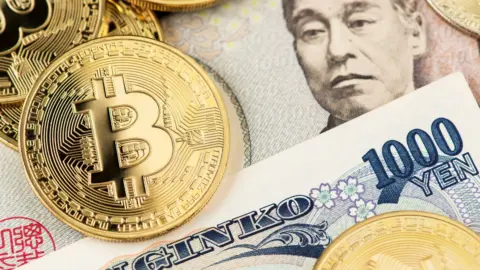
The currency has historically been used to fund leveraged positions in higher-yielding markets, and a sudden appreciation can trigger an unwinding of those carry trades, a dynamic that contributed to Bitcoin’s sharp sell-off in August 2024.
Iran Deploys Additional Naval Mines in the Strait of Hormuz
The geopolitical backdrop continued to deteriorate. Iran deployed additional naval mines in the Strait of Hormuz this week, according to Axios. Shipping traffic through the strait, which carries roughly 20% of the world’s seaborne oil, has fallen sharply since the conflict intensified.
The Pentagon told lawmakers that clearing the mines would take at least six months, with the process beginning only after the war ends. Officials also cautioned that U.S. inflation could remain elevated this year as a result, potentially narrowing the Federal Reserve’s room to cut rates.
Bitcoin Fails to Hold Above $78,700 as Macro Headwinds Build
Bitcoin’s 0.6% decline since midnight UTC left it near $77,800. Ether slipped 0.8% to around $2,300, underperforming Bitcoin on the session. The broader top of the market traded in the red without any sharp liquidation moves.
The rally from late March has added roughly $13,000 to Bitcoin’s price, but the failure to sustain a break above $78,700 on Thursday and the lack of follow-through on Friday suggest the move is meeting resistance as macro headwinds from both Japan and the Middle East stack up.