
EDX Moves Toward OCC Trust Charter for Crypto Custody

Fhumulani Lukoto
- 2 min read
Key Takeaways
EDX Markets is exploring regulated custody: The firm is looking into an OCC trust charter to potentially hold client crypto assets directly instead of relying on third parties.
Regulation is key to attracting institutions: Operating under the Office of the Comptroller of the Currency would align EDX with traditional finance standards that large investors require.
Custody is becoming the core battleground: Secure, compliant asset storage, not just trading, is emerging as the main factor driving institutional participation in crypto.
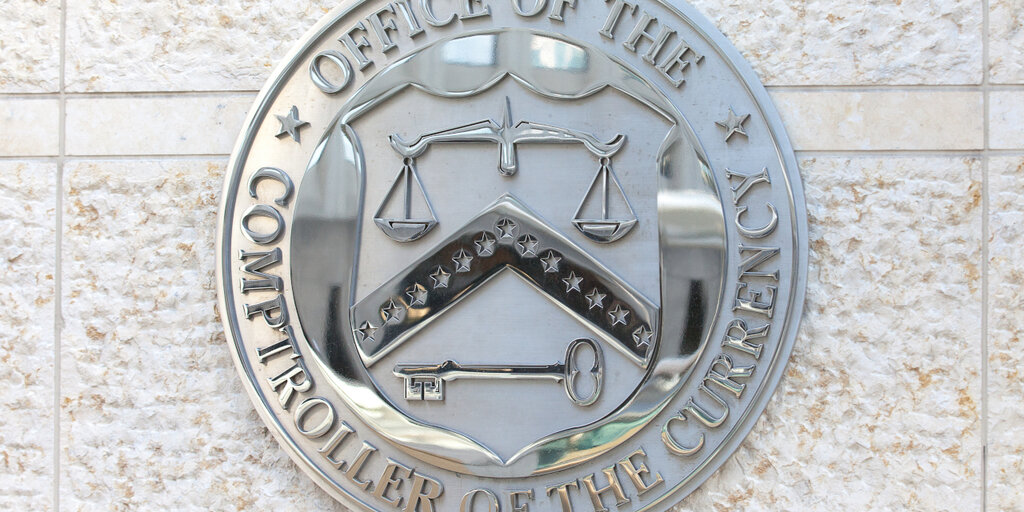
EDX Markets has submitted an application to the Office of the Comptroller of the Currency for a national trust bank charter, according to a filing published by the regulator.
The move would allow the crypto-focused platform to provide regulated custody services, marking a step toward deeper integration with traditional financial infrastructure.
A Bid to Formalise Institutional Crypto Infrastructure
The move signals a clear intention to enter the regulated crypto custody space, an era that has become increasingly central to institutional participation in digital assets.
The application, if approved, could allow EDX to operate under a federal regulatory framework, which would allow EDX to provide regulated custody services directly. This shift reflects a broader trend in which crypto-native firms are seeking to align themselves with traditional financial regulatory frameworks to serve institutional clients better.
EDX’s approach to custody would likely emphasise segregation of client assets, transparency, and operational resilience. By pursuing an OCC charter, the firm is positioning itself within a regulatory perimeter that is familiar to banks, asset managers, and other large financial institutions. This alignment also signals a deliberate effort to meet compliance expectations that have historically limited institutional participation in crypto markets.
Institutional Confidence and Market Structure
The race to provide secure, compliant custody solutions has intensified as institutional interest in digital assets continues to evolve. While trading volumes in crypto markets remain volatile, custody has emerged as one of the most critical components in this equation, as institutions require secure, compliant mechanisms to hold assets before increasing allocations.
If EDX secures the charter, it could influence competitive dynamics in crypto custody by introducing a model that combines exchange functionality with regulated asset safekeeping. These institutions typically mandate clear asset segregation, transparent reporting, and adherence to established risk controls before allocating capital.
More broadly, the move underscores a shift in how crypto firms are approaching growth. Rather than focusing solely on liquidity and execution, firms are increasingly building full-service ecosystems that include custody, settlement, and post-trade services. This evolution mirrors the development of traditional capital markets, where custody providers play a central role in enabling institutional participation.
At the same time, regulatory approval is not guaranteed, and the process itself may take considerable time. By seeking an OCC trust charter, EDX is attempting to position itself within this higher tier of service providers.
Data Signals Growing Institutional Alignment
Industry data continues to highlight why custody has become a focal point for firms like EDX. Institutional digital asset holdings under custody have shown steady growth in recent years, even amid broader market volatility, pointing to sustained underlying interest.
Additionally, surveys of institutional investors indicate that custody remains one of the primary barriers to increased allocation. A growing number of institutions report that they are more likely to engage with platforms that operate under recognised regulatory frameworks.
EDX’s charter application aligns with these trends. By embedding custody within a regulated framework, the firm is responding directly to the requirements outlined by institutional participants. The approach also suggests that future growth in the sector may be less about speculative trading and more about infrastructure services.
Another notable data point is the increasing involvement of traditional financial firms in digital asset services. Partnerships, joint ventures, and direct investments have accelerated, indicating that the line between crypto-native and traditional institutions is becoming less distinct. Firms that can meet these requirements may be better positioned to capture institutional flows as the market matures.
EDX’s pursuit of an OCC trust bank charter reflects a broader inflexion point in the digital asset industry. Approval would reinforce the viability of trust bank charters as a pathway for crypto firms seeking regulatory alignment. It could also encourage other platforms to pursue similar strategies, accelerating the institutionalisation of digital asset infrastructure.
As digital assets continue to integrate with the broader financial system, custody is likely to remain a critical pillar. Firms that can combine security, transparency, and regulatory compliance may play a defining role in shaping the next phase of institutional participation.
Categories:
Fhumulani Lukoto
Cryptocurrency Journalist
Fhumulani Lukoto holds a Bachelors Degree in Journalism enabling her to become the writer she is today. Her passion for cryptocurrency and bitcoin started in 2021 when she began producing content in the space. A naturally inquisitive person, she dove head first into all things crypto to gain the huge wealth of knowledge she has today. Based out of Gauteng, South Africa, Fhumulani is a core member of the content team at Coin Insider.