

Key Takeaways
Local action is accelerating: A Massachusetts city is considering banning crypto ATMs due to rising fraud, showing municipalities are stepping in where broader regulation is slow.
Fraud is the main driver: Scammers are using crypto ATMs to trick victims into sending money that is difficult to recover, leading to increasing complaints and financial losses.
Policy shift is underway: Officials are weighing stricter rules or outright bans, signaling a move toward tighter oversight that could spread to other cities.
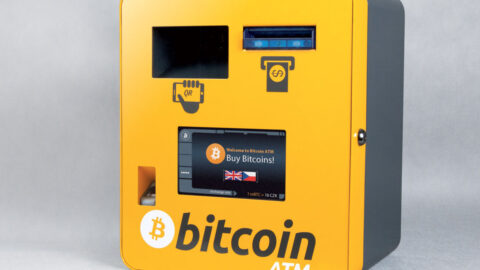
The city council of Haverhill is considering a ban on cryptocurrency ATMs, reflecting a growing local response to rising financial crimes linked to the machines.
Local Push Emerges as Fraud Cases Surge
The proposal, which is expected to be debated in the coming weeks, highlights how municipalities are increasingly filling the regulatory gap as digital asset usage expands faster than formal oversight frameworks can keep pace. City officials say the measure is being driven by an increase in complaints about crypto ATMs, particularly fraud and consumer confusion. The move follows a similar action in Gloucester, where officials voted to prohibit kiosks after identifying them as a frequent tool used in scams targeting vulnerable residents.
Local leaders are increasingly viewing crypto ATMs as neutral financial infrastructure, but as high-risk access points for fraud. These kiosks, which allow users to buy or sell cryptocurrencies using cash or debit cards, have become more visible across retail locations, convenience stores, and transit hubs.
According to state officials, reports of scams involving crypto ATMs have increased over the past two years. In many cases, individuals were instructed by bad actors to deposit funds into machines under the guise of resolving urgent financial issues, such as tax penalties or utility shutoffs. Once funds are transferred via crypto, recovery becomes significantly more difficult. The debate alongside legislative efforts in Massachusetts is unfolding as locals are calling for stricter controls on crypto and mandatory fraud warnings.
The proposed ban would either remove or restrict the operation of such machines within city limits. Policymakers are also weighing alternative approaches, including stricter licensing requirements, transaction caps, and enhanced disclosure obligations for operators. This signals a shift from passive oversight to active intervention, where the municipality is no longer waiting for state-level clarity before acting.
Financial Impact and Industry Activity
The urgency behind these deliberations is grounded in mounting financial losses. If implemented, the ban could affect both consumers and operators. According to recent data, Massachusetts residents lost tens of millions to Bitcoin ATM scams in a single year, underscoring the scale of the issue. Crypto ATM providers have expanded rapidly across the United States, positioning their machines as an accessible on-ramp into digital assets, particularly for individuals without traditional banking access.
However, critics argue that ease of access has come at a cost. Unlike regulated financial institutions, compliance and enforcement vary significantly across jurisdictions, especially at the local level. This has created uneven safeguards, with consumer protections varying widely by jurisdiction.
For local governments, the combination of high losses and low recovery rates is shifting the cost-benefit calculation. While federal and state regulators continue to develop overarching rules, cities are beginning to act independently in response to immediate risks.
Industry participants may need to adjust operational strategies if similar measures gain traction elsewhere. This could include investing in stronger identity verification systems, clearer transaction disclosures, and partnerships with law enforcement agencies to address fraud concerns. What was once seen as a niche financial service is increasingly viewed as a systemic consumer protection issue.
Data Points Signal Institutional Shift
Recent data underscores the concerns driving the proposal. Publicly available figures indicate that the number of crypto ATMs in the United States has grown from fewer than 5,000 in 2019 to over 30,000 by 2024. Massachusetts alone has seen a steady increase in installations, particularly in urban and suburban retail corridors. Recent FBI data shows millions in losses annually in losses tied to crypto ATM fraud in 2025.
In February 2026, the Massachusetts Attorney General filed a lawsuit against Bitcoin Depot, alleging that the company facilitated scams that cost residents more than $10 million. At the same time, reports from consumer protection agencies suggest that crypto-related fraud losses have climbed significantly. In several documented cases, crypto ATMs were identified as a key payment method used in scams due to their speed and relative anonymity.
Local law enforcement agencies have noted that victims are often unaware of the risks when using these machines. Unlike traditional bank transfers, crypto transactions are typically irreversible, and the lack of standardised warnings or education at the point of transaction can exacerbate the problem.
Officials involved in drafting the proposal have pointed to these data trends as justification for proactive measures. While not all crypto ATM activity is illicit, the concentration of reported incidents shows that institutions are moving.
The outcome of the city’s decision could have implications beyond Massachusetts. As municipalities confront similar challenges, this proposal may serve as a test case for how local governments balance innovation with consumer protection.
The outcome of these deliberations will shape not only the future of crypto but also enhance safeguards, clearer communication, and closer coordination with regulators, which could shape whether such machines remain a viable part of the digital asset landscape or face increasing restrictions at the local level.