

Key Takeaways
Oil volatility is the main driver: Oil prices are swinging sharply (above $110, then dropping on policy signals), driven by fears of supply disruption in the Strait of Hormuz.
Markets are reacting with broad sell-offs: Global stocks have approached recent lows as rising oil increases inflation risks and uncertainty, hitting risk assets like equities and crypto.
Uncertainty, not damage, is moving markets: Prices are shifting on headlines and policy signals (threats, pauses, talks), showing markets are pricing future risk rather than current conditions.
Global financial markets retreated sharply as geopolitical tensions between the United States and Iran intensified, triggering synchronised declines across cryptocurrencies, equities, and risk-sensitive assets.
Geopolitics Sparks Cross-Asset Selloff
The latest flashpoint came after US President Donald Trump issued a direct threat toward Iran’s energy infrastructure, according to reports, a 48-hour ultimatum demanding Iran reopen the Strait of Hormuz, a critical artery for global oil flows, or face potential strikes on energy infrastructure.
Iran’s response, warning of broad retaliation across regional energy assets, intensified fears of a wider conflict. The Strait itself carries roughly 20% of global oil supply, making any disruption a systemic risk to global markets. The immediate market reaction was swift and broad-based.
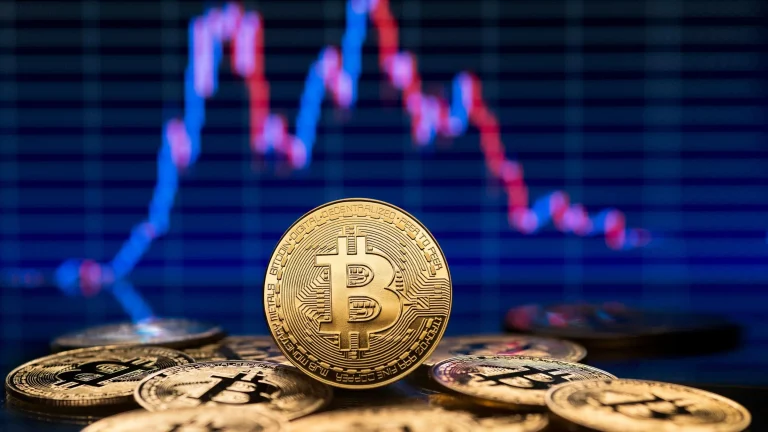
Global equities declined sharply, with major indexes nearing correction territory as investor sentiment deteriorated. Crypto markets followed a similar trajectory. Bitcoin (BTC) and major altcoins declined sharply, as investors moved away from speculative positions during the spike in geopolitical risk.
The move highlights the growing integration of digital assets into the broader macro environment. Rather than acting independently, crypto markets are increasingly responding to the same geopolitical and liquidity dynamics that influence traditional assets.
Oil Volatility Drives Defensive Positioning
The most immediate impact has been visible in energy markets. Oil prices have not only risen sharply but have also become highly volatile. Prices surged above $110 per barrel before pulling back, reflecting both supply fears and uncertainty around supply disruptions.
This volatility has fed directly into broader financial markets. Any sustained disruption could tighten supply conditions and amplify inflationary pressures worldwide. This dynamic has created a feedback loop across markets. Rising oil prices increase inflation expectations, which in turn weigh on equities and crypto by reducing the likelihood of monetary easing
Institutional capital has begun rotating toward defensive assets. Analysts note a shift into cash, large-cap equities, and less cyclical sectors, signalling a move away from risk exposure. Crypto markets, which operate continuously and often amplify sentiment shifts, saw pronounced declines. These assets tend to react strongly to macro uncertainty, particularly when rising oil prices signal potential inflation shocks that could tighten financial conditions.
The combined effect is a broad repricing of risk, with energy acting as the central transmission channel across asset classes.
Data Signals Institutional Repositioning
Market data points to a recalibration rather than a disorderly exit from risk assets. Global equities have declined from recent levels, with some indices approaching correction territory, typically defined as a drop of around 10% from recent highs.
Energy markets, meanwhile, have diverged. Oil has been one of the stronger-performing asset classes during the recent period of tension, with prices briefly testing higher levels before stabilising amid volatile trading conditions.
Within equities, sector-level performance indicates selective repositioning. Certain technology and software names have shown relative resilience, suggesting that institutional capital is not leaving markets entirely but shifting toward areas perceived as more durable.
In crypto, the shift has been more defensive than structural. Trading volumes remain elevated, but flows indicate reduced leverage and increased stablecoin positioning, pointing to a market in risk-management mode rather than outright capitulation.
What defines the current environment is not just the movement in prices, but the source of that movement. Markets are reacting less to confirmed disruptions and more to the uncertainty surrounding potential geopolitical escalation.
This shift places policy signals and geopolitical developments at the forefront of market direction, temporarily overshadowing traditional economic indicators.
For the time being, markets appear to be recalibrating rather than collapsing, adjusting to a world where geopolitical risk once again plays a central role in shaping capital flows across crypto, equities, and commodities. The path forward will likely depend on how tensions evolve.