What Is The Main Risk Associated With A Cryptocurrency Hot Wallet?
Cryptocurrency wallets play a crucial role in the digital finance ecosystem, allowing users to store, send, and receive cryptocurrencies....

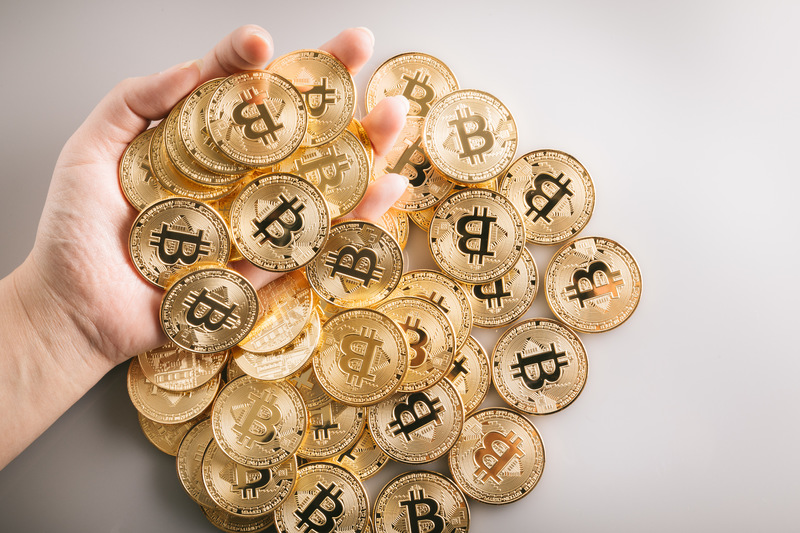
Bitcoin trading has seen exponential growth in recent years, solidifying the cryptocurrency market as one of the fastest-growing financial sectors worldwide. As more investors look to Bitcoin as a hedge against inflation and an alternative investment, trading platforms have evolved to accommodate both beginners and experienced traders.
Bitcoin is a decentralised digital currency that operates independently of central banks and traditional financial institutions. It can be exchanged for goods and services, transferred between users, or traded for other cryptocurrencies and fiat currencies. Unlike traditional assets, Bitcoin exists solely on the blockchain, a secure and transparent digital ledger that records all transactions.
Bitcoin is typically stored in a crypto wallet, which functions similarly to a personal investment account. Traders buy and sell Bitcoin through online exchanges, taking advantage of price fluctuations to make a profit. Since the market operates 24/7, Bitcoin trading offers opportunities at any time of day.
Trading Bitcoin offers the advantage of accessibility; prior financial expertise isn’t necessary to begin. There are many ways to start trading Bitcoin, all with different avenues for success and profit.
When choosing an exchange, consider factors such as security, fees, and ease of use. Well-established platforms with strong security measures help protect your funds from hacks and scams.
Fees vary between exchanges, so understanding transaction costs, withdrawal fees, and maker-taker fees is important. A user-friendly interface is also beneficial, particularly for new traders navigating the market for the first time.
There are three types of crypto exchanges: centralised exchanges, decentralised exchanges (DEXs), and peer-to-peer exchanges.
These are online platforms where you may establish an account with your preferred login information. Depending on the exchange and area, you must additionally give specific personal details.
On centralised exchanges, you can send funds to the platform in the form of crypto or money from a bank account and trade with those funds, including buying and selling Bitcoin. Depending on the exchange, you may trade a variety of various crypto asset kinds on a single platform. One disadvantage of this arrangement is that you do not officially retain your funds when they are invested.
DEXs, on the other hand, let you do transactions directly from your wallet. DEXs are essentially groupings of pooled liquidity for various assets on the blockchain where the DEX is housed. DEXs based on Ethereum, for example, permit trading in Ethereum-based assets. Bitcoin cannot be exchanged on an Ethereum-based DEX, although there are workarounds.
Peer-to-peer, or P2P, trading is another alternative for buying and selling Bitcoin. There are various platforms available to facilitate such transactions, including an escrow service to secure both parties and their cash.
Once you’ve chosen an exchange, the next step is to create an account. Most centralised exchanges require you to complete a Know Your Customer (KYC) verification process. This involves providing personal information, such as your name, address, and a government-issued ID.
Verification enhances security and helps prevent fraudulent activities such as money laundering. While the process may take a few minutes to several days, completing it is essential for full access to trading features.
To start trading, you need to deposit funds into your exchange account. Most exchanges allow deposits via bank transfer, debit/credit card, and sometimes PayPal or other payment methods.
Be aware of deposit fees and processing times, as they vary depending on the payment method and exchange.
Spot trading involves buying and selling Bitcoin at the current market price. This is the simplest and most common trading method, allowing traders to profit from price fluctuations over time.
Futures trading involves contracts that speculate on Bitcoin’s future price. Margin trading allows traders to borrow funds to amplify their positions. These methods can yield higher profits but also carry increased risk and require a deeper understanding of market trends.
Day traders open and close positions within a single day, capitalising on short-term price movements. Swing traders, on the other hand, hold positions for days or weeks, waiting for larger market trends to develop. Both strategies require technical analysis and market research.
When buying or selling Bitcoin, you can use either market orders or limit orders. A market order executes immediately at the current market price, while a limit order allows you to set a specific price at which you want to buy or sell.
For example, if Bitcoin is trading at $30,000, but you only want to buy when it drops to $28,000, you would place a limit order at that price. The trade will only execute if Bitcoin reaches your specified price.
Managing risk is essential in Bitcoin trading. A stop-loss order automatically sells your Bitcoin if the price drops to a predetermined level, preventing significant losses. A take-profit order locks in profits by selling when Bitcoin reaches a specific price.
Once you have purchased Bitcoin, keeping it secure is crucial. There are two main types of crypto wallets:
Hot wallets are online wallets connected to the internet, making them convenient for frequent trading but more vulnerable to hacks. Examples include MetaMask and Trust Wallet.
Cold wallets are offline storage devices, such as hardware wallets, offering superior security for long-term holdings. Ledger and Trezor are popular cold wallet options.
Activating two-factor authentication (2FA) on your exchange account adds an extra layer of security. This ensures that even if someone obtains your password, they cannot access your account without the secondary authentication code.
Bitcoin’s price is highly volatile, influenced by factors such as market demand, regulation, and macroeconomic trends. Staying informed about Bitcoin news and market analysis helps traders make better decisions. Reliable sources include CoinGecko, CoinMarketCap, and Crypto Twitter.
Many traders also use technical analysis, which involves studying charts and indicators such as moving averages, relative strength index (RSI), and Fibonacci retracements to predict price movements.
Trading Bitcoin involves risk, and new traders often make common mistakes, such as investing more than they can afford to lose. Setting clear stop-loss levels and diversifying investments can reduce exposure to significant losses.
Emotional trading, such as panic selling during market dips, often leads to poor decisions. Developing a disciplined trading strategy and sticking to it prevents impulsive trades based on short-term price swings.
Automated trading bots can execute trades based on pre-set parameters, eliminating the need for manual intervention.
Many exchanges also provide copy trading, where beginners can replicate the trades of experienced traders. This can be a useful learning tool while developing personal trading skills.
Trading Bitcoin in 2025 presents numerous opportunities, but it requires preparation, patience, and a solid understanding of the market. Choosing the right exchange, securing your assets, and implementing a strategic approach will enhance your trading experience.
New traders should start small, gain experience, and gradually develop confidence in their trading abilities. The Bitcoin market remains highly dynamic, and staying informed is key to long-term success.
Cryptocurrency wallets play a crucial role in the digital finance ecosystem, allowing users to store, send, and receive cryptocurrencies....
Bitcoin (BTC) and other cryptocurrencies have gone beyond their initial purpose as investments to become viable tools for everyday...
The crypto world is growing rapidly, bringing countless opportunities for innovation and investment. It does, though, also attract scammers...
Cryptocurrency has become one of the most talked-about financial innovations of the 21st century. From Bitcoin (BTC) to , the digital asset...