

Image credit: Shutterstock
Stablecoin and fintech firms could target a $112 billion Latin American remittance market outside the crowded US-to-Mexico corridor, according to Bybit executive Claudia Wang. Wang said too many companies remain focused on the region’s most obvious route while faster-growing and less-served corridors are developing elsewhere.
US-Mexico Remittance Growth Slows
Latin America’s total remittance market is estimated at $174 billion. The non-US-to-Mexico segment accounts for roughly $112 billion, making it the larger untapped opportunity for firms building stablecoin payment products.
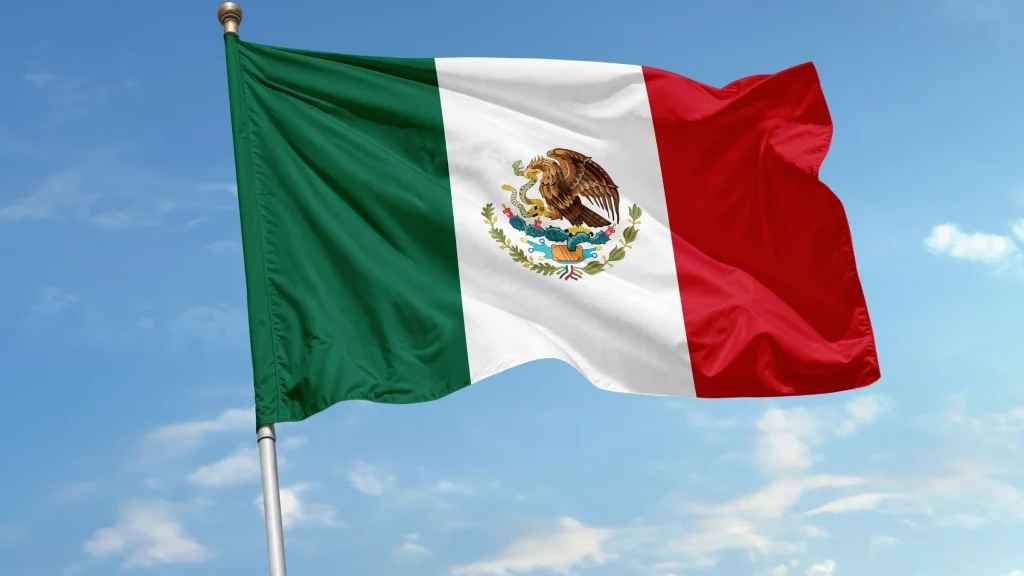
The US-to-Mexico corridor remains the region’s largest single remittance route. However, recent data showed transfers on that route fell to about $61.8 billion in 2025, down roughly 4.5% to 4.6% from a year earlier. Wang pointed to routes such as Venezuela-to-Colombia, Argentina-to-Bolivia, and Spain-to-Ecuador as examples of corridors that may be underserved by stablecoin and fintech providers.
Wang Points to Local Market Gaps
Wang said companies should stop treating Latin America as one single remittance market. Instead, she said firms need to build around country-specific payment habits, regulation and user demand.
The argument is especially relevant for corridors where transfer costs, settlement delays, banking access and currency conditions can vary widely. Stablecoins are being pitched as one way to move funds faster and reduce reliance on traditional correspondent banking networks.
For providers, the opportunity depends on more than offering dollar-linked tokens. Firms also need local cash-in and cash-out channels, compliant foreign-exchange partners and products that match how users already receive and spend money.
Regulation Remains the Main Hurdle
The $112 billion opportunity does not mean stablecoin firms can enter every Latin American corridor easily. Regulators across the region are increasing oversight of crypto payments, stablecoins and cross-border flows.
Brazil has moved to keep regulated cross-border payment settlement inside approved foreign-exchange channels, while other countries are watching stablecoin use for tax, anti-money-laundering, and monetary policy risks.
For stablecoin firms, the immediate takeaway is narrow but significant. Latin American remittances are not only a US-Mexico story, and smaller corridors may offer room for growth. The companies most likely to benefit will be those that combine stablecoin settlement with local licenses, banking partners and clear cash-out infrastructure.