
US Senate Adds CBDC Ban to Bipartisan Housing Reform Bill

Fhumulani Lukoto
- 2 min read
Key Takeaways
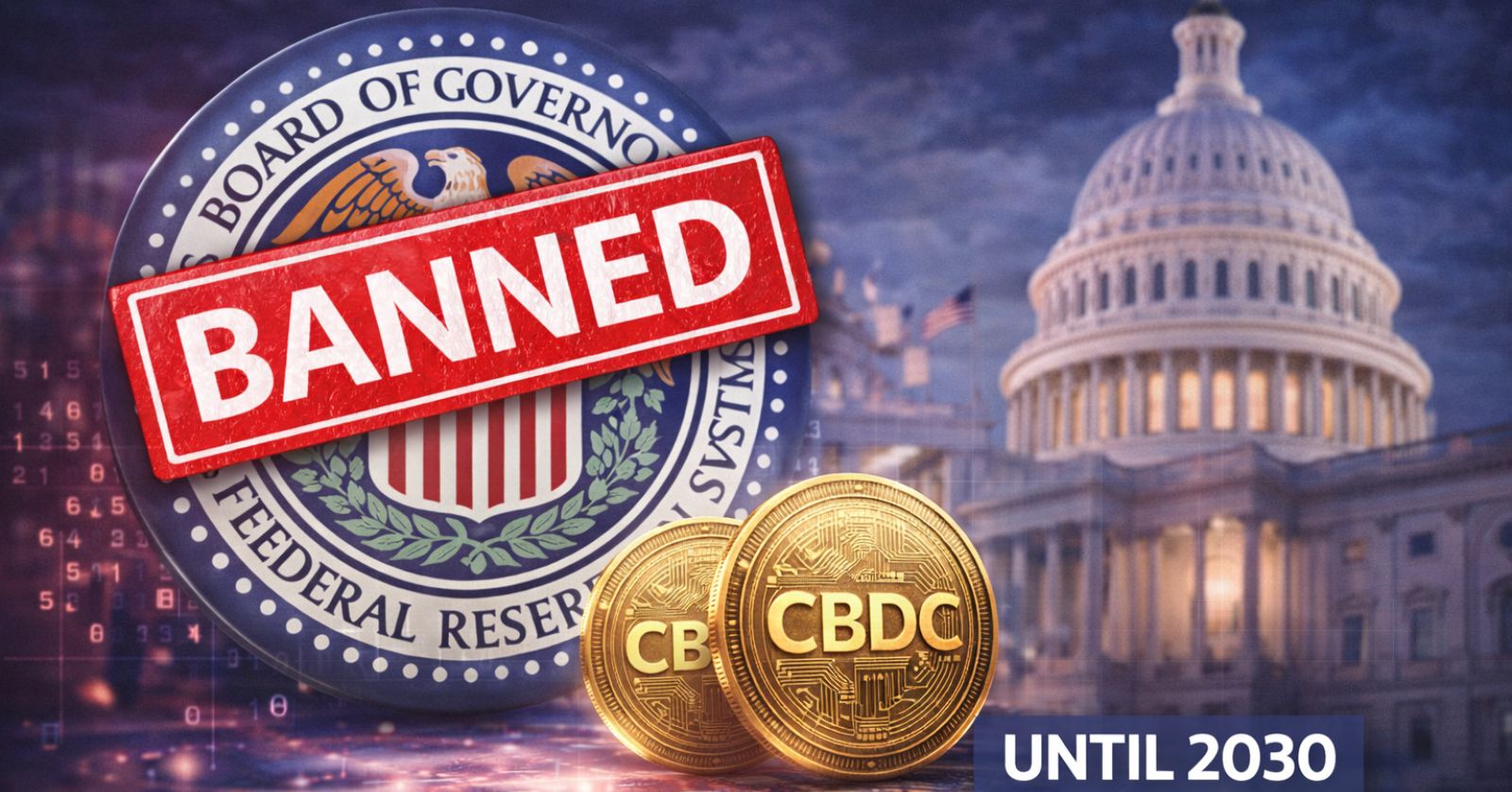
CBDC issuance temporarily blocked: The US Senate passed a bipartisan housing reform bill that includes a provision preventing the Federal Reserve from issuing a US central bank digital currency (CBDC), often called a digital dollar, until the end of the decade unless Congress explicitly authorises it.
Strong bipartisan support: The broader housing legislation, which focuses on increasing housing supply and easing affordability pressures, passed the Senate with overwhelming bipartisan backing, showing cross-party agreement on both housing reforms and caution around government-issued digital currency.
Decision shifts to the House: The bill now moves to the House of Representatives. Lawmakers there may modify the CBDC provision or the housing measures before deciding whether to pass the legislation and send it to the president for approval.
The United States Senate has passed a major bipartisan housing bill that also includes a provision temporarily banning the Federal Reserve from issuing a “digital dollar.”
Senate Vote Links Housing Policy and CBDC Ban
The measure was passed by an 89–10 vote to approve the sweeping housing bill known as the 21st Century ROAD to Housing Act, reflecting broad support across party lines for the broader housing legislation and the attached amendment.
The move places digital-currency policy inside a broader housing reform package aimed at addressing housing shortages and rising home prices across the US. Lawmakers added the CBDC restriction during final negotiations, inserting language that would prevent the Federal Reserve from issuing a digital dollar until the end of December 31 2030, unless Congress renews or modifies the restriction. The legislation stated,
“The Board of Governors of the Federal Reserve System or a Federal Reserve Bank may not issue or create a central bank digital currency or any digital asset that is substantially similar to a central bank digital currency, directly or indirectly through a financial institution or other intermediary.”
The bill’s core purpose remains housing reform. It combines measures to expand affordable housing financing, reduce development barriers, and expand funding tools for local governments and developers. The addition, however, of the CBDC ban signals that lawmakers increasingly view digital money as a matter requiring congressional oversight.
Lawmakers from both major parties framed the legislation as an attempt to increase supply and improve affordability in a housing market that has experienced steep price increases since the pandemic. While many central banks globally are researching or piloting similar systems, the Senate’s move signals caution among some US lawmakers to allow such a system without further legislative review.
Related: Senate Housing Bill Adds Fed CBDC Ban Until 2030
Digital Dollar Debate Moves Into Congress
The CBDC ban reflects a growing institutional shift in how US policymakers approach digital currency issued by the government. Instead of leaving CBDC development primarily to the Federal Reserve’s research process, lawmakers have increasingly sought to define clear legislative boundaries.
Industry and policy groups have also weighed in on the issue. Some have argued that decisions about issuing a digital dollar should remain under congressional oversight rather than regulatory discretion.
The vote also highlights an unusual coalition forming around the issue. Lawmakers from both parties supported the housing legislation and the digital currency provision, illustrating how concerns about monetary technology are intersecting with broader financial policy debates.
Lawmakers say the amendment aims to clarify the boundary between Federal Reserve authority and congressional oversight of emerging financial technologies. However, the measure does not yet represent final policy.
The bill must still pass the House of Representatives before reaching the president’s desk. Some House lawmakers have indicated they may seek changes, including proposals to make the CBDC restriction permanent rather than temporary.
Data and Legislative Context Behind the Vote
Several key data points from the legislation illustrate the scale and institutional significance of the move:
- The housing bill’s overwhelming 89–10 Senate vote demonstrates unusually strong bipartisan alignment on housing policy.
- Senate vote: 89–10 in favour of the housing package containing the CBDC ban.
- Earlier procedural vote: 84–6 to advance the bill before final passage.
- Duration of CBDC prohibition: Through December 31 2030, unless extended by Congress.
- Legislation scope: A multi-hundred-page housing package with more than 40 provisions addressing housing supply, financing, and development incentives.
Regardless of its ultimate fate, the Senate vote marks one of the most significant congressional signals yet on the future of a potential US digital dollar. By tying the CBDC restriction to a housing bill, lawmakers signalled that decisions about the future of money may increasingly be shaped through broader economic legislation.
As global financial systems increasingly explore digital currencies, the United States appears to be entering a cautious phase where legislative oversight will play a decisive role in determining whether a digital dollar will ever be issued.
Categories:
Fhumulani Lukoto
Cryptocurrency Journalist
Fhumulani Lukoto holds a Bachelors Degree in Journalism enabling her to become the writer she is today. Her passion for cryptocurrency and bitcoin started in 2021 when she began producing content in the space. A naturally inquisitive person, she dove head first into all things crypto to gain the huge wealth of knowledge she has today. Based out of Gauteng, South Africa, Fhumulani is a core member of the content team at Coin Insider.