
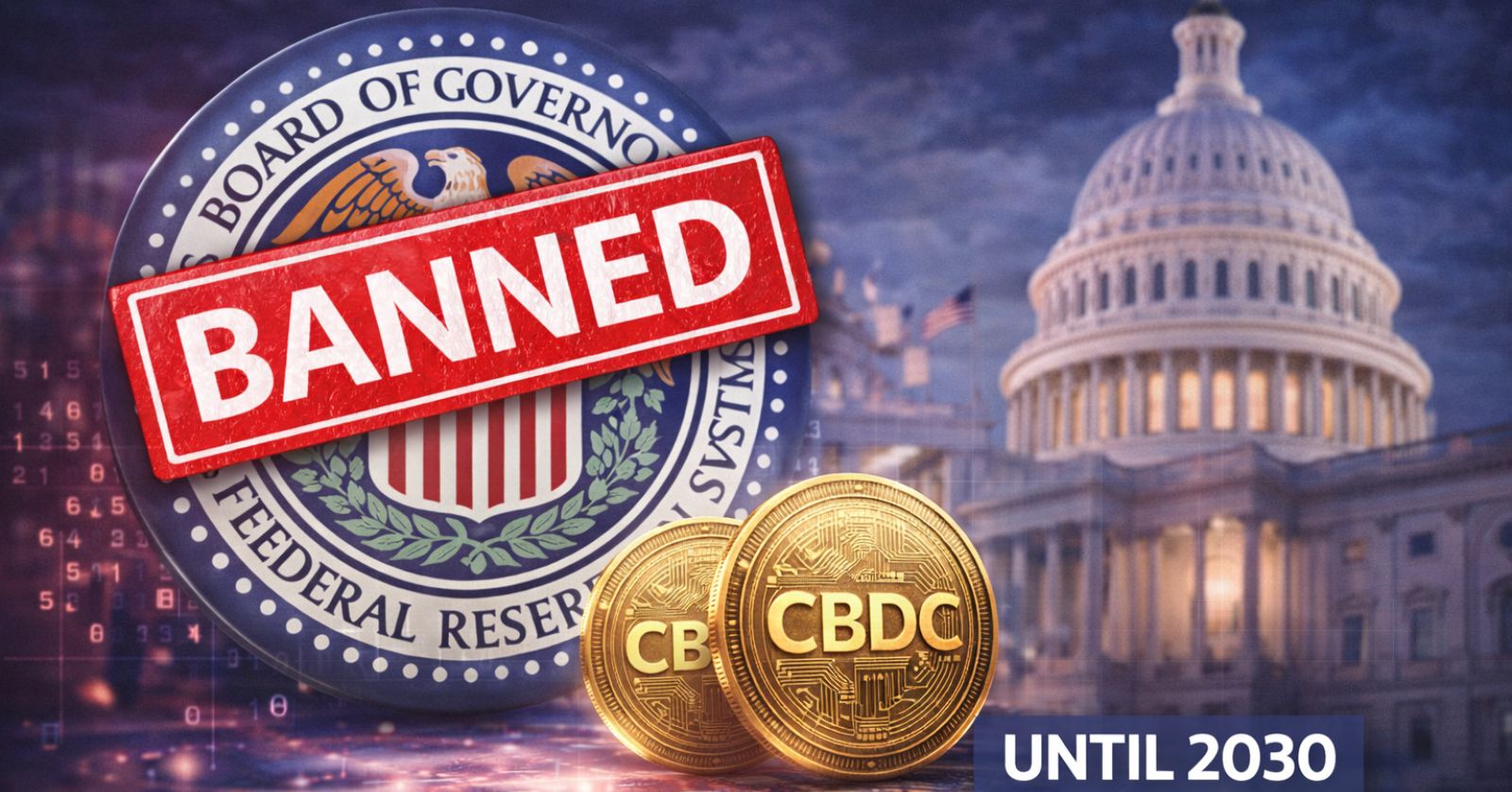
Senate Housing Bill Adds Fed CBDC Ban Until 2030

Angelina Reinhard
- 2 min read
Key Takeaways
- Senate housing package adds a Fed CBDC ban through Dec. 31, 2030
- The block covers direct or indirect issuance and anything deemed substantially similar
- The bill leaves room for private, permissionless dollar tokens with cash-like privacy
A bipartisan Senate Banking Committee housing package includes a provision that would temporarily bar the Federal Reserve from issuing a CBDC.
The restriction is embedded in the “21st Century ROAD to Housing Act,” a broad bill aimed at expanding housing supply and reducing costs.
CBDC Ban is Buried in a 303-page Housing Package
The CBDC language spans a small section of the bill, but it carries a hard policy constraint: no Fed-issued CBDC before the end of 2030.
Committee leaders have framed the overall package as a housing affordability push. Chairman Tim Scott said,
“[This] bill [is] about cutting regulatory red tape, lowering costs, and expanding housing supply while generating no new spending, but it’s about making sure people […] have even greater access to economic opportunity […].”
The CBDC provision is not presented as a central pillar of the housing effort, but it rides alongside the bill’s core housing measures.
Ban Covers Direct and Indirect CBDC Issuance
The bill would block the Federal Reserve Board and the regional Federal Reserve banks from issuing or creating a CBDC.
It also bars issuance “directly or indirectly” through a financial institution or other intermediary, language aimed at limiting workarounds that keep the Fed as issuer while using private rails for distribution.
The restriction also reaches any digital asset considered “substantially similar” to a CBDC, broadening the scope beyond a single product label.
CBDC Ban Expires on Dec. 31, 2030
The ban includes an explicit sunset. The restriction would cease to be effective on Dec. 31, 2030.
That creates a defined window where a retail CBDC, a CBDC broadly available to the public, remains off the table unless Congress acts sooner to change course. It also sets up a predictable political deadline, forcing the issue back onto the agenda before 2031 if lawmakers want the ban extended.
Exception Leaves Room for Permissionless, Cash-like Private Dollar Tokens
The CBDC section includes an exception for a dollar-denominated currency that is open, permissionless, and private, with privacy protections comparable to physical cash.
That carve-out signals a policy distinction: the bill targets a Fed-issued CBDC while leaving room for certain private-sector dollar rails if they meet the stated conditions. In practice, the language keeps the stablecoin debate alive even as it blocks a public-sector alternative for several years.
CBDC Politics Get Folded into Mainstream Legislation
Housing is the vehicle, but the CBDC dispute is no longer confined to standalone crypto bills.
By attaching a CBDC ban to a major housing package, lawmakers have made the digital dollar question part of a broader legislative negotiation that is moving on a separate track.
Categories:
Angelina Reinhard
Crypto Journalist & Market Analyst
Angelina is a crypto journalist and market analyst covering blockchain innovation, digital asset markets, and emerging industry developments. She focuses on clear, structured reporting that breaks down complex topics into accessible insights for a global audience.
Her work explores market movements, technological trends, and the evolving landscape of the cryptocurrency industry through timely, reader-focused news coverage.