
Trump’s Bitcoin Reserve: One Year, Zero Bitcoin

Talik Evans
- 2 min read
Key Takeaways
- Trump’s executive order cannot fund or operationalize the reserve without Congressional authorization – which has not been granted.
- The government holds an estimated 300,000+ BTC from forfeitures, but has no legal mechanism to add to that position.
- The NDAA defense bill in December 2026 is the last viable legislative vehicle, but it depends on White House political will that has not materialized.
A year after the executive order that sent crypto markets euphoric, there is no public indication that the U.S. has purchased additional Bitcoin under the program. The reserve has been established but is not fully operationalised. Here is why – and what is left.
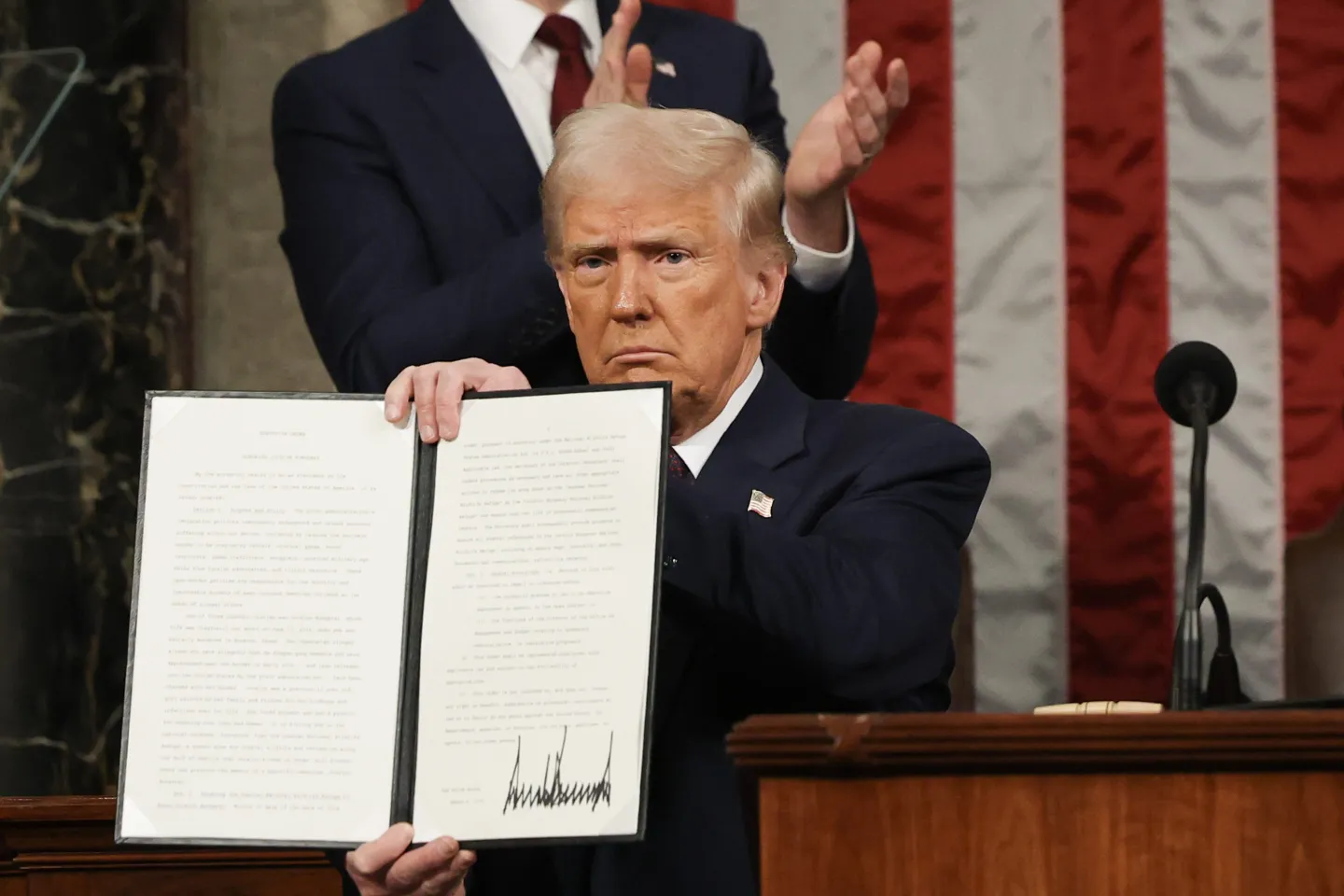
On March 6, 2025, President Donald Trump signed an executive order establishing what he called a „Strategic Bitcoin Reserve.“ The crypto industry celebrated. Bitcoin was maturing into a sovereign-grade asset. America was stacking.
One year on, the U.S. government has not acquired a single bitcoin through the program, and the reserve has no legal home, no funding mechanism, and no clear path forward in 2026.
Implementation Shortcomings
The order contained a clause that ultimately became its own undoing: a requirement for „the need for any legislation to operationalise any aspect of this order.“ That single line transferred the effective power to act from the White House to Congress – and Congress has not acted.
Trump’s Treasury Department lacks the statutory authorisations required to build the specialised accounts the reserve demands. Trump’s own crypto adviser, Patrick Witt, has previously acknowledged the situation presents „novel legal questions“ that must be resolved legislatively before a single dollar, or a single satoshi, can move.
The executive order also conspicuously contained no new purchasing mandate. Rather than directing Treasury to buy bitcoin, it encouraged „creative policies“ that would allow the government to add to its holdings without spending taxpayer money. No such mechanism has been publicly identified. Witt has declined to share the leading ideas under consideration.
What the Government Actually Holds
The administration did complete the initial accounting exercise the order required – cataloguing the federal government’s existing crypto holdings, seized primarily through law enforcement forfeitures.
Estimates from people familiar with the process put the figure at more than 300,000 BTC, worth over $20 billion at current prices. That number has not grown. There is no authorised mechanism to grow it.
The government’s silence on the exact figure is deliberate. Trump’s crypto officials have consistently declined to confirm precise holdings when asked publicly.
The Last Open Door: The Defence Bill
According to people familiar with the legislative strategy, the best remaining vehicle for reserve legislation in 2026 is the National Defense Authorization Act – the must-pass annual defence funding bill that typically concludes in December.
Washington insiders routinely use the NDAA as what they call a „Christmas tree,“ hanging unrelated legislative items onto it precisely because the bill cannot be allowed to fail.
For that to happen, Trump’s White House would likely need to re-adopt the Bitcoin reserve as an active legislative priority – something it has not visibly done. The lame-duck period, when the bill typically passes, further complicates timing: key reserve champion Senator Cynthia Lummis of Wyoming is not returning to the Senate in the next session. Her own reserve bill, which calls for the U.S. to accumulate one million BTC, approximately 5% of total eventual supply, has progressed only as far as committee.
Lummis‘ Senate Banking subcommittee on digital assets is meanwhile focused primarily on getting the Digital Asset Market Clarity Act passed, leaving the reserve bill a secondary priority even among its most committed sponsors.
The Broader Lesson
The Strategic Bitcoin Reserve saga is a live case study in the limits of executive power. Trump’s administration has leaned heavily on executive orders as a governing instrument, and this episode illustrates their ceiling.
An order can signal intent and direct agencies to prepare. It cannot appropriate funds, create new Treasury accounts, or override the Congressional authority required for sovereign-scale asset acquisition.
Experts say the signal is now clear for institutional investors who positioned around the reserve narrative: sovereign Bitcoin accumulation by the United States, if it happens at all in this administration’s term, will arrive through the slowest and most unpredictable legislative channel available – tucked into a year-end spending package, during a lame-duck session, if the political will exists at all. Until then, the reserve remains in an early, largely administrative phase.
Categories:
Talik Evans
Journalist and Financial Analyst
Talik Evans is a financial writer and crypto researcher with a growing focus on digital assets, Bitcoin markets, and blockchain innovation. Since 2021, she has been exploring the world of cryptocurrency, writing about everything from exchange comparisons to regulatory updates and security practices.